

Looking for a gift that’s both brilliantly practical and budget-friendly? These Tactical Cargo Socks check all the boxes-and then some. They’re the ultimate cheap-yet-genius gift for any outdoorsy friend… or for your own frugal feet. With cozy warmth and built-in waterproof pockets, they let you stash your essentials right in your socks (because who needs a fancy bag?). Whether you’re hiking a trail or sneaking snacks into the movies, these socks prove you don’t have to spend big to think smart.


How to Pay Every Bill on Time (and Why a Wall Calendar Helps)
There is a special kind of calm that comes from knowing every bill is handled before it is due. With a simple system and one glance at the wall, you can keep late fees away and enjoy a month that runs like clockwork.
Step One: Make a Master Bill List
Good morning, scholars! Every great bill system starts with a list. Sit down with a cup of something warm and write out each regular bill: rent or mortgage, utilities, phone, internet, insurance, credit cards, subscriptions, and any yearly or twice-yearly payments like property tax or car registration.
Next to each one, note the usual due date, the typical amount, and how you pay it. Bank and card statements from the last few months are a great way to catch anything you might forget.
Step Two: Put the Dates Where You Can See Them
Now copy each due date onto your calendar. Here are a few tricks that make it work beautifully:
- Write a “pay by” date a few days early. Mail and bank transfers can take time, so give yourself a cushion.
- Color code. One color for housing, another for utilities, another for cards. A quick look tells the whole story.
- Mark paydays too. Seeing income and bills side by side helps you plan which paycheck covers which bill.
- Check it off. A happy little checkmark when a bill is paid is very satisfying.
Step Three: Smooth Out the Month
Once the dates are in front of you, you may notice several bills bunched together. Many companies will let you change your due date if you call and ask, which can spread payments more evenly between paydays. It is a free phone call that can make the month feel much more relaxed.
You can also set up automatic payments for steady bills like insurance, while keeping an eye on the calendar so you always know when money is leaving your account.
Step Four: A Five-Minute Weekly Check-In
Pick one day a week, maybe Sunday morning, to glance at the next seven days. Which bills are coming? Is the money in the right account? This tiny habit keeps surprises away and builds a wonderful feeling of being in charge.
Try It Free First
Your phone already has a calendar app that can send reminders a few days before each due date. Many banks also offer free bill alerts. And free calendars often show up from local businesses, charities, and banks around the new year, so keep an eye out.
Where a Wall Calendar Fits In
A wall calendar keeps your whole month in plain sight. There is no app to open, no password, and no battery. Many people like that everyone in the household can see what is coming, and that writing dates by hand helps them remember.
It suits anyone who likes a visual plan, couples who share bill duties, and folks who simply enjoy the satisfying ritual of flipping to a fresh page each month.
What to Look for When Comparing
- Box size: large daily squares leave room for bill names and amounts.
- Large print: easy-to-read numbers are kind to every pair of eyes.
- Start month: some run January to December, others start mid-year, so pick what fits your timing.
- Paper finish: matte pages are usually easier to write on than glossy ones.
- Extras: a notes section or a next-month preview can be handy.
- Reviews and return terms: compare a few listings before you choose.
Professor Ima’s Wrap-Up
Late fees are money that does nothing for you, so let’s keep every penny working on your side. A master list, a few marked dates, and a weekly peek are all it takes. Pay on time, check it off, and enjoy that lovely feeling of a month well managed. Gold stars all around!
As an Amazon Associate, Cheap101 earns from qualifying purchases, at no extra cost to you. Browse more handy finds in the Student Store.

Get Good with Money
Ten steps, one encouraging guide. Tiffany Aliche, the Budgetnista, lays out a structured path to becoming financially whole in Get Good with Money, a friendly pick for readers who enjoy working through money topics one chapter at a time.
Tiffany Aliche, also known as the Budgetnista, presents a ten-step approach to becoming financially whole. Get Good with Money is an option for readers looking for a broader personal-finance guide alongside their budgeting routine.
Who might enjoy this book
Consider this if you prefer working through a structured sequence of money topics. Use the chapter list and sample pages to decide whether the approach fits what you want to learn next.
Before you buy
Check the selected format and edition, and browse the sample pages or table of contents to see whether the book matches your needs. Compare the current price with your budget.
A free way to start
Check your local library or its ebook catalog before buying. If the book is available to borrow, you can explore its ideas without adding another expense.
Browse more in the Student Store.

Wool Dryer Balls
Dryer sheets are a RACKET. You buy them, use them once, throw them away, buy more. Forever. These wool balls last for YEARS-like 1,000+ loads. They cut drying time by bouncing around and separating your clothes, and they don’t coat everything in weird waxy chemicals. I have six of them. I drew a face on one with a Sharpie and named him Gerald. He lives in my dryer now. We’re happy together.
Budget Bytes by Beth Moncel: Tasty Recipes That Stretch Your Groceries
Budget Bytes by Beth Moncel proves that inexpensive food can be colorful, flavorful, and fun to cook. Her cookbook gathers over 100 easy recipes plus smart tips for making every grocery dollar count.
Beth Moncel started the Budget Bytes blog to show that cooking on a small budget could still be delicious. The blog became hugely popular, and her first cookbook, Budget Bytes: Over 100 Easy, Delicious Recipes to Slash Your Grocery Bill in Half, brought her approach to the kitchen counter. Professor Ima considers it required reading for the Kitchen Savings department.
What the Cookbook Is About
The book combines easy, flavorful recipes with a peek behind the price tag. Moncel is known for breaking recipes down by approximate cost, which helps cooks see which ingredients carry the most value. Prices change over time, of course, but the habit of thinking about cost per serving stays useful forever.
The Big Ideas
- Flavor comes from smart ingredients. Spices, garlic, citrus, and fresh herbs can make humble staples taste wonderful.
- Stock a thrifty pantry. Beans, rice, pasta, oats, canned tomatoes, and frozen vegetables give you a head start on many meals.
- Cook once, eat twice. Many recipes make enough for leftovers or freeze well for later.
- Use ingredients across several recipes. Buying a bunch of cilantro for one dish? Plan another that uses the rest.
- Think in cost per serving. Knowing roughly what a portion costs helps you plan a happy week of meals.
Who Will Enjoy It
It is perfect for new cooks, students, busy families, and anyone cooking for one or two who wants variety without waste. Experienced home cooks will also find fresh ideas, especially for bowls, soups, and big-batch dishes.
Ideas Readers Can Try Today
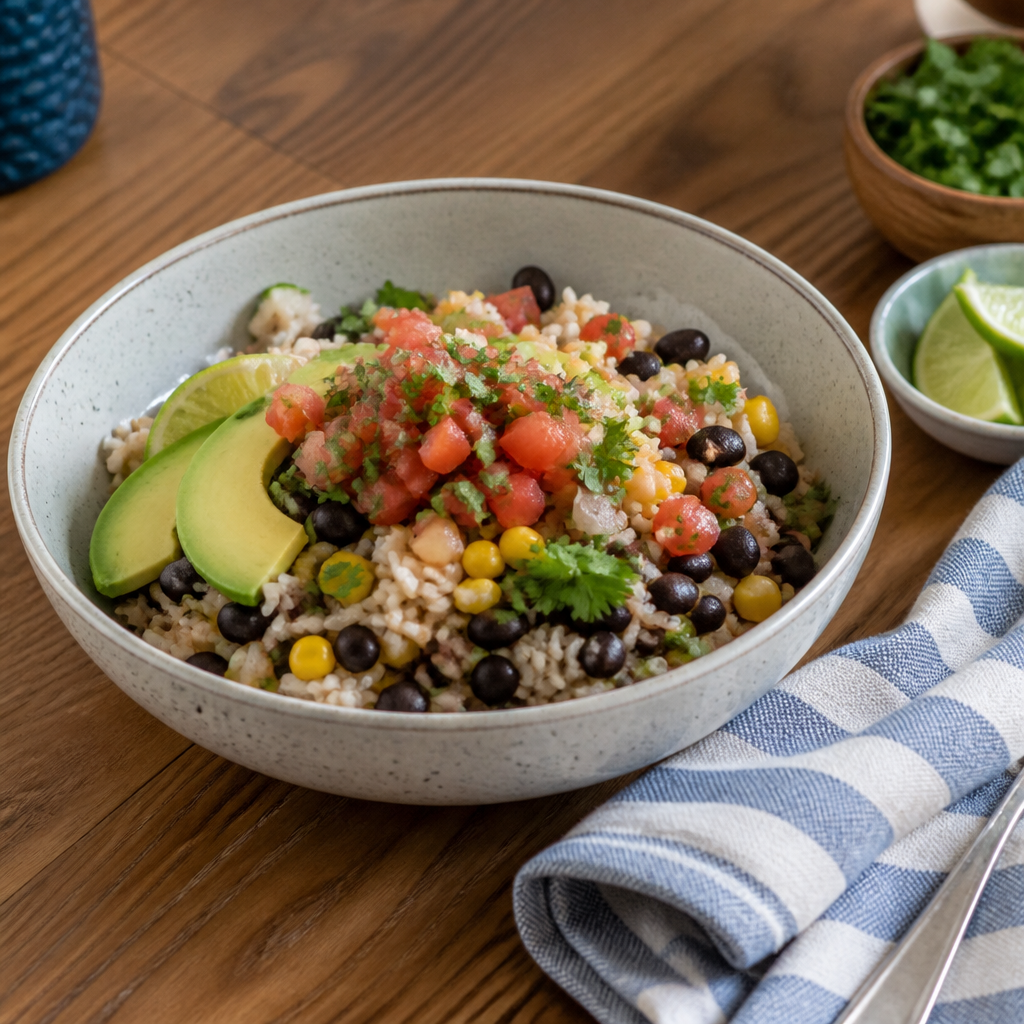
- Make a simple bean and rice bowl and dress it up with salsa, lime, and whatever vegetables you have.
- Add up the cost of your next homemade dinner and divide by servings. It is often a pleasant surprise.
- Plan two meals that share ingredients so nothing goes unused.
- Freeze extra portions in single-serving containers for easy lunches.
Try It Free First
The Budget Bytes website shares a large collection of free recipes, so you can cook from it tonight. Many libraries also carry the cookbook in print, and some offer it as an ebook through Libby or Hoopla. Used copies show up often too.
Why Some Readers Like Owning a Copy
A printed cookbook is easy to flip through for inspiration, stays put on the counter, and makes a lovely gift for someone setting up a first kitchen. Moncel has also published a later cookbook, so when comparing listings, check which title you are getting, along with used copy condition and price.
Professor Ima’s Wrap-Up
A full plate and a happy wallet make a winning combination. Grab a pot, a few pantry staples, and a pinch of creativity, and you will be dishing up thrifty feasts in no time. Extra credit for leftovers!
As an Amazon Associate, Cheap101 earns from qualifying purchases, at no extra cost to you. Browse more handy finds in the Student Store.
How to Store Leftover Canned Food and Pet Food (Hello, Can Covers)
Half a can of beans, tomato paste or the cat’s dinner can become tomorrow’s meal instead of a waste. With a few easy storage habits and a snug silicone can cover, every can you open goes the whole distance.
Good day, class! Canned goods are pantry heroes. They are affordable, they keep a long time on the shelf, and they make quick meals easy. The only trick is that many recipes call for half a can. Today Professor Ima will show you how to keep that other half tasty and ready for its big moment.
How to Store Leftover Canned Food
Food safety agencies, including the USDA, generally recommend refrigerating opened canned food promptly and moving high-acid foods, such as tomatoes and fruit, into a glass or plastic container for best flavor. Here are some easy habits to follow:
- Chill it soon. Pop leftovers in the fridge shortly after opening.
- Cover it well. A tight cover keeps food from drying out and from picking up other fridge flavors.
- Transfer acidic foods. Tomato sauce, pineapple and similar foods taste best stored in a glass jar or container.
- Use it within a few days. Check the label and food safety guidance for specific foods, and enjoy leftovers while they are fresh.
- Freeze small amounts. Tomato paste, coconut milk and broth can be frozen by the spoonful in an ice cube tray, then stored in a bag for future recipes.
- Keep it front and center. Put opened items at eye level in the fridge so they get used first.
Tasty Ways to Use Up Half a Can
- Stir extra beans into soup, salad, tacos or scrambled eggs.
- Blend leftover pumpkin into oatmeal, pancakes or a smoothie.
- Add spare corn or peas to rice, pasta or a casserole.
- Spoon extra diced tomatoes onto toast with a drizzle of olive oil.
Leftover Pet Food, Kept Fresh
Larger cans of wet pet food are often a better value per ounce than tiny single-serve cans, and many pets only eat part of a can at each meal. Cover the opened can, refrigerate it, and follow the storage directions on the label. Some pets prefer their food not straight from the fridge, so a few minutes on the counter before serving can make dinner extra appealing. Keep a dedicated spoon for pet food so mealtime is quick and tidy.
Try It Free First
You can cover a can today with what is already in your kitchen. A small plate or saucer set on top, a piece of foil pressed snugly around the rim, or a clean jar for transferring food all work nicely. A beeswax wrap or a bowl cover works too. If you find yourself doing this often, a reusable can cover makes it faster and neater.
Where Silicone Can Covers Fit In
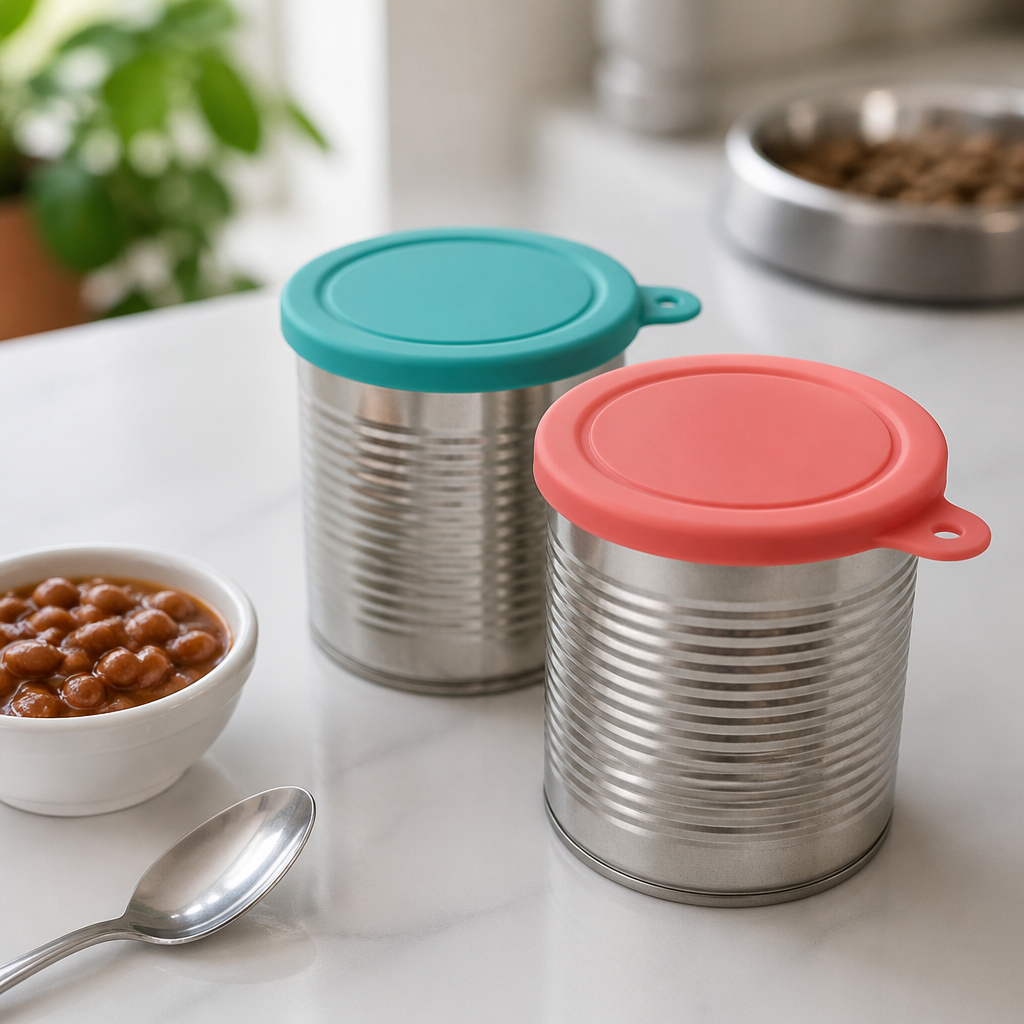
Silicone can covers are flexible lids that press onto the rim of an opened can for a snug fit. Many are designed with stepped rings so one cover can fit several common can sizes, from small soup cans to larger pet food cans. They are reusable, easy to wash, and many are labeled dishwasher safe. They suit pet owners, home cooks who use a lot of canned staples, and anyone who loves a tidy fridge.
For leftovers in bowls and on cut fruit and veggies, see our guide to silicone stretch lids and food huggers. The button on this page is a search for can covers, so compare listings, reviews, sizes and return terms before choosing.
What to Look For When Comparing
- Sizes: Check which can diameters each cover fits, and measure the cans you buy most.
- Food-grade material: Look for food-safe silicone.
- Snug seal: Reviews often mention how well the cover stays put.
- Easy cleaning: Dishwasher safe covers save time.
- Set size and colors: Different colors can help you keep pet food covers separate from people food covers.
Professor Ima’s Wrap-Up
Every can you open is a little investment, so let’s enjoy every spoonful! Cover it, chill it, and plan a happy use for it. Your fridge will look organized, your pets will be well fed, and your grocery money will stretch just a little further. Class dismissed!
As an Amazon Associate, Cheap101 earns from qualifying purchases, at no extra cost to you. Browse more handy finds in the Student Store.

How to Make Saving Fun With Goal Trackers and Scratch-Off Posters
Saving money can feel like a game when you can see your progress. Coloring in a chart, filling a thermometer, or scratching off a square each time you set money aside turns every deposit into a small celebration. Here is how to make saving fun.
Why Seeing Progress Feels So Good
Hello, class! Saving can sometimes feel invisible. The money goes into an account, and you do not see much happen. A visual tracker changes that. Each little square you fill shows you are moving closer to your goal, and that cheerful feeling encourages you to keep going.
How to Set Up a Fun Savings Goal
- Pick something exciting. A trip to see family, a new recliner, a holiday fund, or a cozy emergency cushion.
- Put a number on it. Decide the total, like $600 or $1,500.
- Break it into chunks. Divide the total into squares. A $1,000 goal could be 50 squares of $20 each.
- Choose a deadline. Divide the total by the number of weeks or months to see how much to save each time.
- Post it where you will see it. The fridge, a closet door, or right by your desk.
- Mark every deposit. Color, sticker, check, or scratch. Make it a little ritual.
Fun ideas to try
- Thermometer chart: color it up as you save, just like a fundraiser.
- Random squares: fill a grid with different amounts ($5, $10, $25) and pick whichever fits your week.
- Picture puzzle: print a photo of your goal, cut it into pieces, and add a piece each time you save.
- Milestone treats: celebrate every 25 percent with a free reward, like a picnic or movie night at home.
Save as a team
Couples, roommates, and families can share one chart for a group goal. Grandkids especially love coloring squares. It turns saving into something everyone enjoys together.
Try It Free First
Draw your own chart on plain paper with a ruler and crayons or colored pencils. Graph paper works great for grids. Many free printable savings trackers are available online too. Tape it up and start coloring today.
Where Savings Trackers and Scratch-Off Posters Fit In
Ready-made savings tracker charts and scratch-off posters come pre-printed with goal amounts and fun designs. Scratch-off versions have a coating you rub away, like a lottery ticket, revealing a color or picture underneath. That little reveal can make each deposit feel extra rewarding.
They can suit visual people, families saving together, and anyone who wants a cheerful reminder on the wall. Some come in sets with several goals, which is handy if you are saving for more than one thing at once.
What to Look For When Comparing
- Goal amounts: preset totals, or blank versions you fill in yourself.
- Size: poster size for walls, or smaller cards for binders.
- Style: scratch-off, coloring, or sticker designs.
- Number included: sets with several charts let you track multiple goals.
- Reviews and returns: check photos and reviews for scratch quality, and read return terms.
Professor Cheap’s Wrap-Up
Who says saving cannot be playful? A little color, a chart on the wall, and a goal you are excited about can turn money habits into pure joy. Pick your goal, grab your crayons or a scratch-off poster, and start filling those squares. I am cheering you on from the front of the class!
As an Amazon Associate, Cheap101 earns from qualifying purchases, at no extra cost to you. Browse more handy finds in the Student Store.

Your Money or Your Life
What does enough look like for you? Your Money or Your Life by Vicki Robin and Joe Dominguez explores how spending, work, time, and personal values fit together, a thoughtful read that pairs beautifully with a notebook and a quiet morning.
Saving money can be about more than finding a lower price. Your Money or Your Life, by Vicki Robin and Joe Dominguez, explores how spending, work, time, and personal values fit together.
Who might enjoy this book
Consider this if you want to think about what your purchases support and how you want to use your time. It pairs well with a notebook for reflecting on priorities. The linked listing is described as revised and updated for 2018; check the selected edition before ordering.
Before you buy
Check the selected format and edition, and browse the sample pages or table of contents to see whether the book matches your needs. Compare the current price with your budget.
A free way to start
Check your local library or its ebook catalog before buying. If the book is available to borrow, you can explore its ideas without adding another expense.
Browse more in the Student Store.
5 Kitchen Tools to Compare Before You Buy
Smart shoppers compare first, and this guide makes it easy. Professor Ima lines up five handy kitchen tools, from bag sealers to stretch lids, each paired with a clever free alternative, so you can pick only what truly fits your kitchen routine.
Student Store Coursework · Practical Kitchen Finds
5 Kitchen Tools to Compare Before You Buy
Before buying another kitchen gadget, notice what you actually throw away and try a free storage solution first. These five types of tools may help with particular routines. This is a buying guide, not a hands-on product test; listings and prices vary.
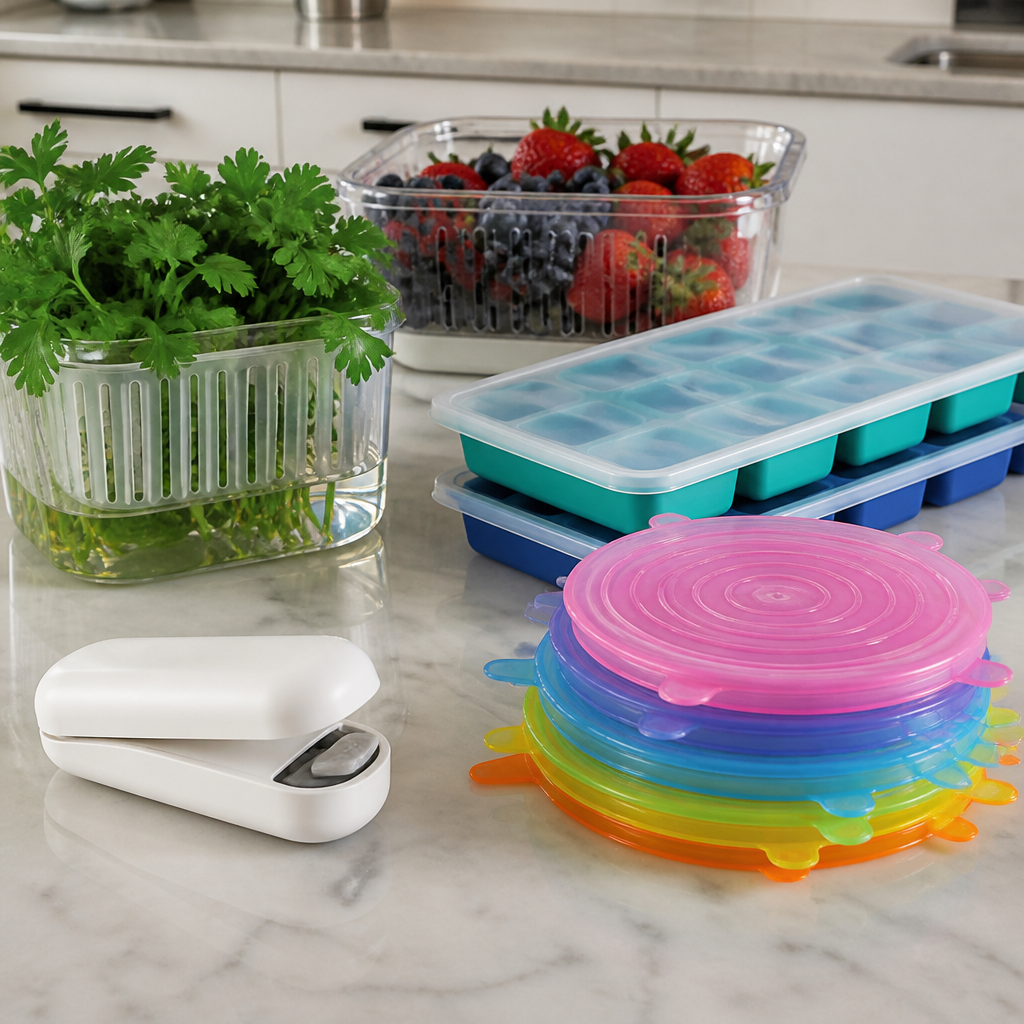
1. Handheld 2-in-1 Mini Bag Heat Sealer
A handheld heat sealer may help reseal compatible bags. Models vary in power source, heating time and suitable bag materials. Check the specific listing and instructions; do not assume it seals every type of packaging or replaces proper food storage.
- Check before buying: Compatible bag materials and safe-use instructions
- Power source: Varies by model; check the listing
- Target price: Under $14
2. Tall Upright Fresh Herb Keeper
An herb keeper can help organize some fresh herbs, but freshness depends on the herb, its condition and storage method. Compare dimensions, cleaning access and care instructions; no container guarantees a particular storage life.
- Design: Vertical hard-shell cup with water refill port
- Capacity: 1 to 2 standard fresh grocery bunches
- Target price: Under $16
3. 1-Cup Silicone Freezing Pod Trays with Lids
Portion trays can make it easier to freeze smaller servings of soup or sauce. Compare cavity size, material, lid fit and the manufacturer’s freezer and food-contact instructions. Choose portions you will actually use.
- Material: Confirm food-contact and freezer suitability
- Portion size: Compare capacity and number of cavities
- Target price: Under $18
4. Vented Produce Keeper Container with Drain Tray
Produce containers with drainage inserts and vents offer another storage option. Different foods need different conditions. Check the manufacturer’s guidance and container size; longer freshness is not guaranteed.
- Components: Outer clear bin + removable colander + vent lid
- Best for: Berries, cherry tomatoes, lettuce, cut broccoli
- Target price: Under $15
5. Multi-Size Silicone Stretch Lids (12-Piece Set)
Stretch lids may replace disposable wrap for some bowls and containers. Fit and seal quality vary. Confirm dimensions and the specific product’s dishwasher, microwave and freezer instructions before using it.
- Set count: Varies; compare sizes you will use
- Care: Follow the specific product instructions
- Target price: Under $12

The Joy of Less by Francine Jay: A Happy Guide to Minimalist Living
Francine Jay’s The Joy of Less shows how owning fewer things can make room for more calm, more space, and more money in your pocket. Her friendly STREAMLINE method makes decluttering feel simple, one drawer at a time.
Frugal living and minimalism are best friends. When you love what you own and own what you love, you shop less, store less, and enjoy more. Francine Jay, who also writes as Miss Minimalist, gathers that gentle wisdom in The Joy of Less: A Minimalist Guide to Declutter, Organize, and Simplify.
What the Book Is About
The book begins with the mindset of living lightly, explaining how fewer possessions can bring more freedom and peace. Then it moves into practical steps, with a room by room tour of the home. The tone is calm and encouraging, never preachy.
The Big Ideas
Jay’s signature system is called STREAMLINE, with each letter standing for a step. In Professor Ima’s own summary, the method encourages readers to:
- Start fresh. Empty a space and decide what deserves to go back.
- Sort into three groups. Keep, give away, or toss.
- Give every item a home. When things have a set spot, tidying takes seconds.
- Keep surfaces clear. Open counters and tables make a room feel peaceful.
- Use limits. A shelf or bin sets a natural cap on how much of something you keep.
- One in, one out. A new item arrives, an old one finds a new home.
- Make it a daily habit. A few minutes of maintenance keeps the calm going.
Who Will Enjoy It
It is a lovely read for anyone moving, downsizing, welcoming a new family member, or simply craving a more peaceful home. Many readers in retirement communities enjoy it when planning a move to a smaller place, and it suits young adults setting up a first apartment too.
Ideas Readers Can Try Today
- Choose one drawer, empty it, and put back only the things you use and love.
- Set up a donation box by the door and add to it whenever something is ready to move on.
- Clear one surface completely and enjoy how fresh it looks.
- Before buying something new, ask where it will live in your home.
Try It Free First
Fittingly, you do not need to add anything to your shelves to enjoy this book. Many libraries offer it in print and through Libby as an ebook or audiobook. Used copies are also easy to find, which is a very minimalist way to shop.
Why Some Readers Like Owning a Copy
Some readers like to keep it close during a big decluttering project and revisit the room by room chapters as they go. An updated and revised edition is available, so when comparing listings, check which edition you are getting and compare used and new prices.
Professor Ima’s Wrap-Up
A clear counter, a tidy drawer, and a little extra money in your pocket: that is the joy of less. Start small, enjoy each bit of breathing room, and watch your home become a calm, happy place.
As an Amazon Associate, Cheap101 earns from qualifying purchases, at no extra cost to you. Browse more handy finds in the Student Store.
Smart Ways to Use Fewer Zip-Top Bags (and Why Silicone Bags Help)
Snacks packed for an outing, berries tucked in the freezer, and sandwiches ready for the road, all without reaching for a new box of bags. A few clever habits can make your kitchen tidier and your shopping list shorter.
The Quiet Budget Item
Zip-top bags are wonderfully handy, which is exactly why a box empties so fast. Snack bags, sandwich bags, freezer bags, gallon bags: they each land in the cart on a regular basis. With a few smart habits, one box can last a very long time.
Easy Ways to Stretch Every Bag
- Wash and reuse dry-goods bags. A bag that held crackers, bread or cut vegetables can be rinsed, turned inside out and air dried for another round.
- Retire bags that held raw meat. For food safety, toss bags that held raw meat, poultry, fish or eggs rather than reusing them.
- Dry them cleverly. Prop open bags over a wooden spoon handle in a jar, or clip them to a hanger so air can move inside.
- Use containers at home. Bags shine for travel and the freezer. At home, a lidded container often does the job just as well.
- Freeze flat. Lay soup or sauce bags flat to freeze, then stand them up like files. They thaw faster and take less room.
- Label with a washable marker. Then the same bag can be relabeled next time.
Try It Free First
Look around for packaging you already have. Bread bags, cereal liners and the sturdy bags that frozen vegetables come in can hold sandwiches and snacks. Clean jars carry trail mix or cut fruit. A cloth napkin tied around a sandwich makes a charming lunch wrap. These no-cost swaps can cut your bag use a lot.
Where Silicone Storage Bags Fit In
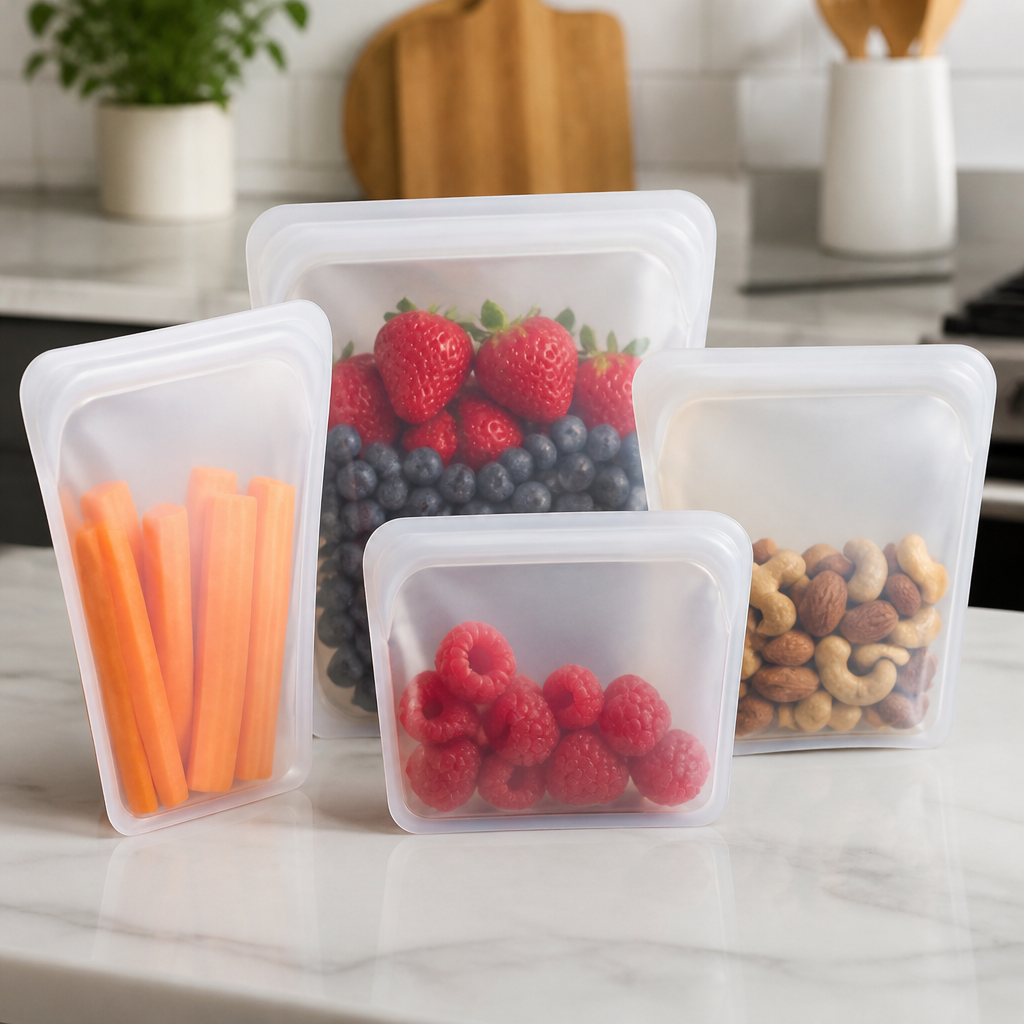
Reusable silicone storage bags are thick, flexible pouches with a seal at the top, made to be washed and used again and again. They are a nice upgrade for anyone who packs lunches, freezes food or loves keeping a tidy fridge.
- Freezer friendly: great for berries, sliced bananas for smoothies, and portions of soup.
- Often dishwasher safe: many can go on the top rack, or turn inside out for hand washing.
- Stand-up styles: some have a flat bottom so they stay upright while you fill them.
- Versatile: some are rated for warming food in water or the microwave. Check the listing.
Honestly speaking, silicone bags cost more up front than a box of plastic ones, so they pay off when you use them often. They can hold onto strong smells like garlic, so many people keep one set for savory foods and another for fruit. Some seals take a little practice to close fully.
What to Look for When Comparing
- Size mix: snack, sandwich and gallon sizes cover most needs.
- Seal type: pinch-press, slider and zipper styles each have fans. Reviews mention how easy they are to close.
- Thickness: thicker silicone tends to hold up better over time.
- Care instructions: check for dishwasher, freezer and microwave guidance.
- Food-grade material: look for clear details on the silicone used.
- Reviews and returns: compare listings, read recent reviews and check the return terms.
Professor Cheap’s Wrap-Up
Class, today’s lesson is simple: a bag that gets a second life is a bag you did not have to buy. Rinse, dry, reuse, and treat yourself to a few sturdy silicone bags if they suit your kitchen. Your freezer will look neat and your wallet will feel lighter in the very best way.
As an Amazon Associate, Cheap101 earns from qualifying purchases, at no extra cost to you. Browse more handy finds in the Student Store.