

If you’ve ever felt overwhelmed by a pile of bills, forgotten a due date, or wished you had a better way to track your spending-you’re not alone. Managing finances can feel chaotic sometimes, but it doesn’t have to be. That’s where the Monthly Bill Payment Checklist steps in to save the day!
This highly-rated planner (⭐ 4.4 out of 5 stars from over 1,400 reviews!) is not just a bill tracker-it’s your personal assistant for all things budgeting and financial planning.
Whether you’re organizing family expenses, managing multiple income streams, or simply want to gain better control over your monthly bills, this book gives you an easy, stress-free system to stay ahead.
Why You’ll Love This Bill Payment Tracker:
✅ Set your financial goals each month and track your progress.
✅ Never miss a payment again with a built-in checklist for due dates, amounts due, amounts paid, and any unpaid balances.
✅ Track income, expenses, savings, and debt in a simple, clear layout.
✅ Save important details like bank account information and summarize your yearly financial growth.
✅ Room for brainstorming and notes-because sometimes ideas pop up while you’re budgeting!
✅ Large 8 x 10 inch size that’s easy to write in, with clear, high-quality printing.
✅ 960 billing record spaces to cover up to 4 years of tracking!
More than just a tool, it becomes a beautiful keepsake-a written story of your financial victories, big or small, as you move closer to your goals year after year.
If you’re ready to take the stress out of managing bills and start feeling confident about your money, grab your copy today!
👉 Get the Monthly Bill Payment Checklist on Amazon
Stay organized. Stay motivated. And make your financial journey one to be proud of!

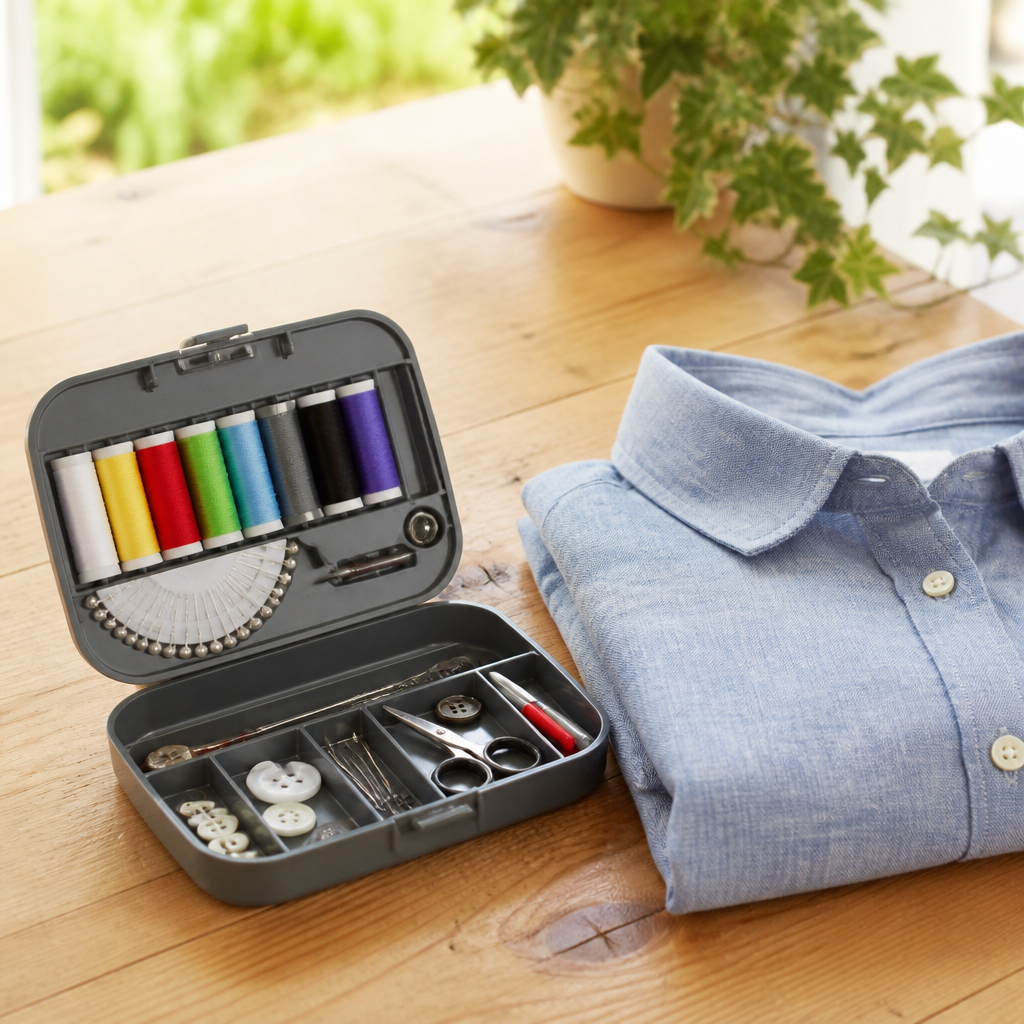
Easy Clothing Mends Anyone Can Do (with a Basic Sewing Kit)
A loose button or a little open seam can be fixed in minutes, and your favorite clothes go right back into happy rotation. With a few simple stitches and a basic sewing kit, you can keep your wardrobe looking sharp for years.
The Mends Worth Knowing
Thread your needles, class! You do not need to be an expert seamstress to save money with a needle and thread. A handful of easy fixes covers most everyday mending, and each one keeps a perfectly good garment out of the donation bin.
How to Sew on a Button
- Thread your needle with about 18 inches of thread, double it, and knot the ends together.
- Push the needle up from the back of the fabric where the button belongs.
- Go up through one hole and down through the opposite hole. Repeat 5 or 6 times.
- For coat buttons, lay a toothpick across the top while sewing to leave a little “shank” of space, then wrap thread around the stitches under the button.
- Finish on the back with a few small stitches and a knot.
How to Close a Small Seam
Turn the garment inside out and find the open section of the seam. Using a simple backstitch, start a little before the opening and finish a little past it, following the original stitch line. A backstitch means each new stitch goes back into the end of the last one, making a strong line. Knot it well on the inside, and no one will ever know.
More Quick Fixes
- Fallen hems: a slip stitch or a quick touch of iron-on hem tape works wonders.
- Snags in knits: pull the loop gently to the inside with a needle or crochet hook instead of cutting it.
- Small holes: an iron-on patch or a cheerful embroidered patch can make a fun design feature.
Try It Free First
Check your drawers for the little extras that come with new clothes. Many shirts and coats arrive with a spare button and sometimes a bit of matching thread. Hotel sewing kits are also handy. Save them all in a small jar or tin. Your library may have beginner sewing books, and free online video tutorials can show you each stitch step by step.
Where a Basic Sewing Kit Fits In
A basic sewing kit puts everything you need in one tidy place, so a five-minute fix stays a five-minute fix. Most include a range of thread colors, a few needle sizes, small scissors, pins, a measuring tape, a seam ripper, a thimble, and often a needle threader. That little wire threader is a real treasure for anyone who finds threading a needle fiddly. Kits make a thoughtful gift for students, newlyweds, and anyone setting up a new home.
What to Look For When Comparing
- Thread colors: look for basics like black, white, navy, gray, and tan.
- Needle threader: a must-have helper.
- Sharp scissors: small, sharp snips make neat work.
- Organized case: a case with compartments keeps things tidy.
- Size: a compact travel kit or a larger home kit.
- Reviews and return terms: check what others say about quality.
Professor Ima’s Wrap-Up
A stitch in time really does save nine, and a few dollars besides. Learn the button, the backstitch, and the hem, keep a tidy kit close by, and your clothes will thank you with years of good service. Now that is a lesson that sews up nicely!
As an Amazon Associate, Cheap101 earns from qualifying purchases, at no extra cost to you. Browse more handy finds in the Student Store.
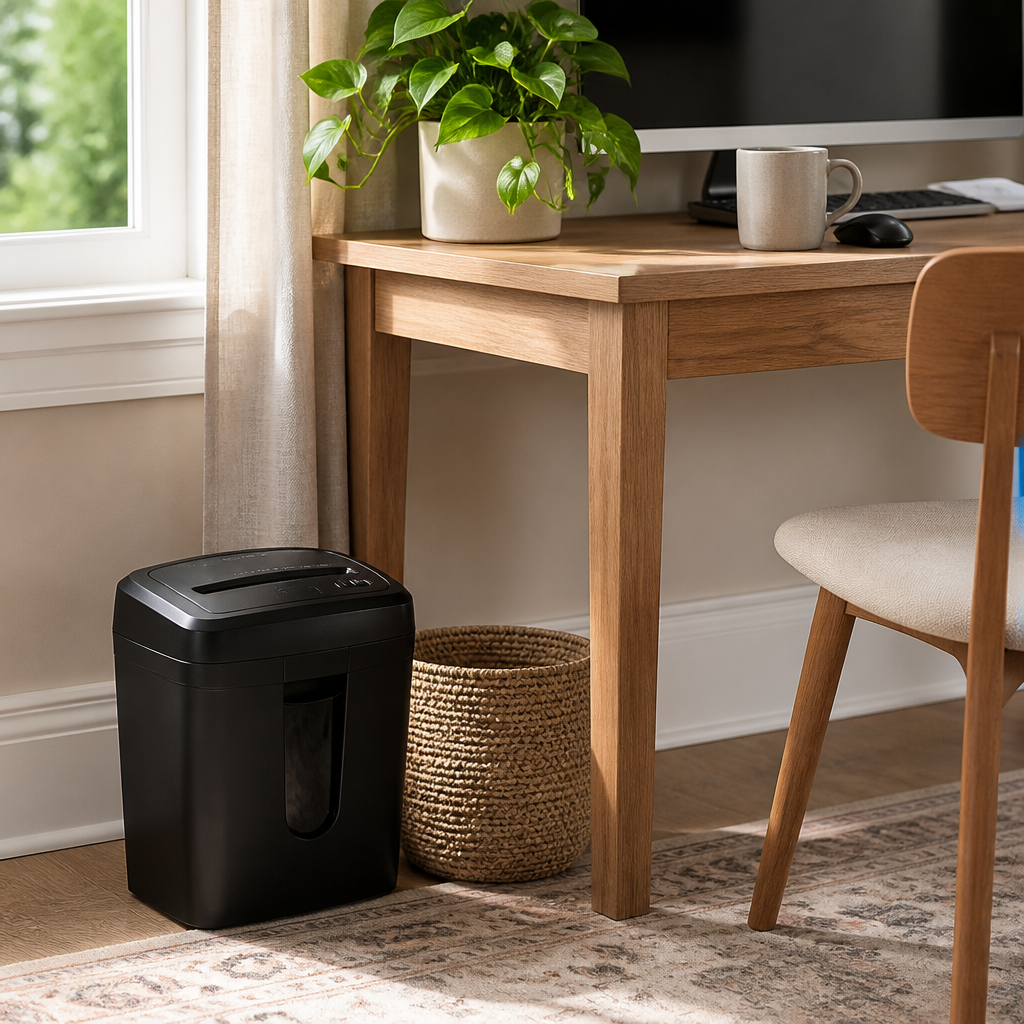
How to Keep Your Personal Information Private (and Why a Small Shredder Helps)
Keeping your name, numbers, and account details safely in your own hands is one of the smartest money habits around. A few easy routines, plus a handy little shredder, can leave your recycling bin tidy and your private information truly private.
What Is Worth Shredding
Hello, class! Today we are learning the fine art of tidy privacy. A good rule of thumb: if a paper shows an account number, a birth date, a signature, or a Social Security number, it deserves a trip through the shredder rather than the recycling bin. Common examples include:
- Old bank and credit card statements you no longer need
- Pre-approved credit card and loan offers
- Medical and insurance statements
- Pay stubs and old tax worksheets past the keep date
- Receipts showing card details, and expired cards
- Shipping labels and prescription labels with your name and address
Keep First, Then Shred
Before you shred, make sure you are done with a paper. Tax returns and their supporting records are often kept for several years, and documents like deeds, titles, and wills are usually kept for good. The IRS website has helpful guidance on how long to keep tax records, and your accountant or bank can answer questions about anything else. When in doubt, file it now and shred it later.
Easy Privacy Habits for Every Day
Set up a “to shred” basket. Keep a small box near where you open mail. Anything private goes in, and you shred it all at once each week or month.
Go paperless where it suits you. Many banks and utilities offer online statements, which means less paper coming in to begin with.
Opt out of prescreened offers. In the United States, OptOutPrescreen.com is the official site for opting out of prescreened credit and insurance offers. Fewer offers in the mailbox means fewer papers to deal with.
Check your credit reports. AnnualCreditReport.com is the official free source for your reports from the three major credit bureaus. A quick look now and then keeps you in the know.
Try It Free First
Many communities, credit unions, and senior centers host free shred days, where a truck shreds papers on site. Check your city website, local bank, or community newsletter for dates. For a handful of pages at home, you can tear the private parts into small pieces and mix them into separate bags, or use a permanent marker to black out numbers. Peeling off address labels before recycling packaging is another easy freebie.
Where a Small Paper Shredder Fits In
A compact home shredder lets you take care of private papers the moment they arrive, with no waiting for an event. Small models fit beside a desk or under a counter, and many can also handle staples or old credit cards. It is a nice fit for anyone who receives regular statements, runs a small home business, or simply enjoys the satisfying whirr of a clean desk.
What to Look for When Comparing
- Cut type: cross-cut and micro-cut make smaller pieces than strip-cut.
- Sheet capacity: how many sheets it can take at once.
- Run time: small shredders often need a cool-down break, so check the listed minutes.
- Bin size: a larger basket means fewer trips to empty it.
- Safety features: look for an auto shutoff or safety lock, especially around children and pets.
- Reviews and return terms: compare several listings and their warranties.
Professor Ima’s Wrap-Up
Your personal information is a treasure, so treat it like one. Keep what you need, shred what you do not, and enjoy a mailbox and desk that stay calm and clutter free. A little routine goes a long way, and that, dear students, is privacy made simple.
As an Amazon Associate, Cheap101 earns from qualifying purchases, at no extra cost to you. Browse more handy finds in the Student Store.
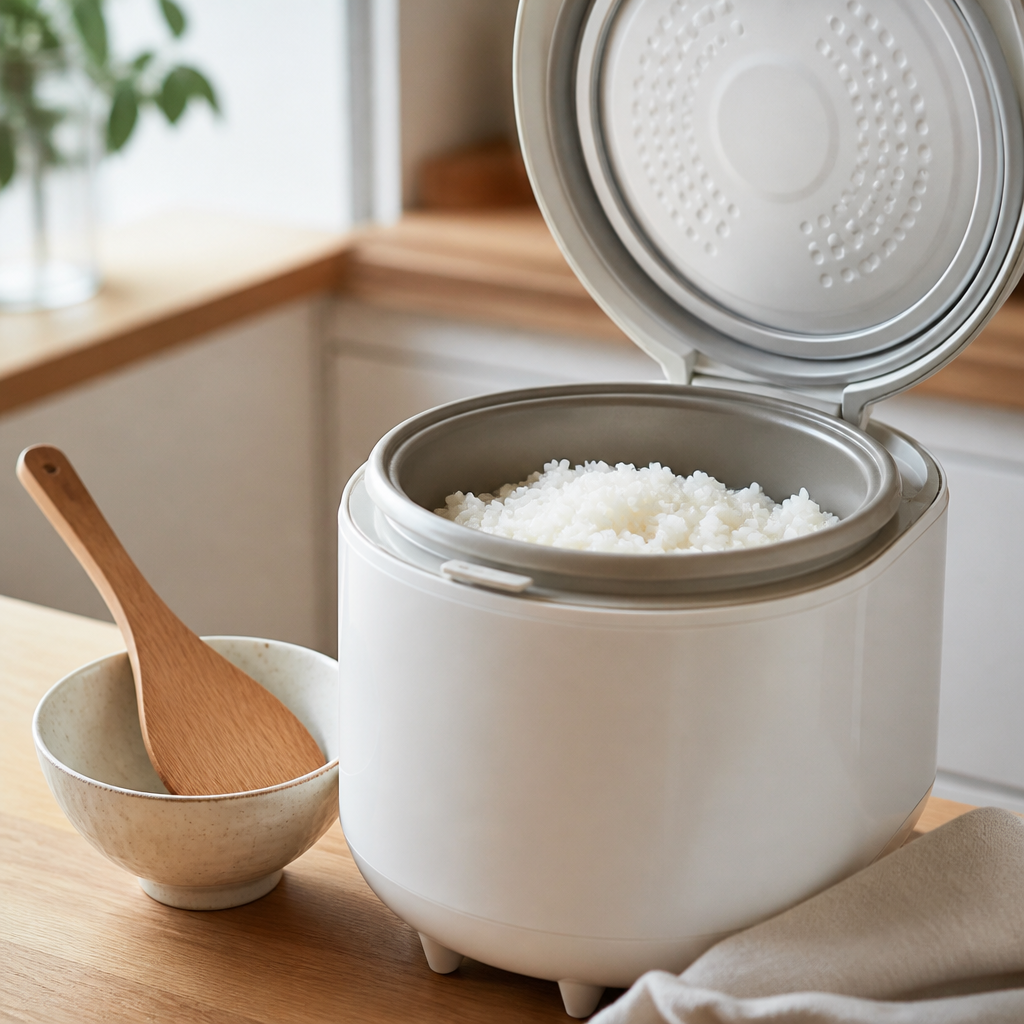
Easy, Low-Cost Meals Built on Rice (and Why a Rice Cooker Helps)
A warm bowl of rice is the start of a hundred thrifty, tasty meals. Learn how to cook it well, dress it up a dozen ways, and see how a small rice cooker can make perfect rice with just the press of a button.
Why Rice Is a Budget Hero
Rice is one of the most affordable foods in the store, especially in larger bags. It keeps well in a sealed container, pairs with almost any flavor, and turns small amounts of vegetables, eggs, beans or meat into a filling meal. Cultures all over the world have built wonderful cooking around it.
How to Cook Rice Well on the Stove
- Rinse it. Swish white rice in cool water and pour it off a few times until the water looks clearer. This helps grains turn out fluffy.
- Measure the water. Long-grain white rice is often cooked with about 1 1/2 to 2 cups of water per cup of rice. Brown rice usually needs more water and more time. Check your package.
- Simmer covered. Bring to a boil, cover, turn to low and leave the lid on.
- Rest, then fluff. Let it sit, covered and off the heat, for about 10 minutes, then fluff with a fork.
- Chill leftovers quickly. Spread extra rice out to cool, then refrigerate within about an hour or two and use within a few days.
Thrifty Rice Meal Ideas
- Fried rice: day-old rice, a scrambled egg, frozen peas and carrots, and a splash of soy sauce.
- Rice and beans: a classic pairing, with salsa, cumin or a squeeze of lime.
- Rice bowls: top with roasted vegetables, a fried egg and any leftover protein.
- Soup stretcher: add cooked rice to broth and vegetables for a hearty soup.
- Rice pudding: simmer leftover rice with milk, a little sugar and cinnamon for a cozy dessert.
Try It Free First
Any pot with a snug lid cooks lovely rice. Another easy method is the pasta style: boil rice in plenty of water like pasta, taste for doneness, then drain. It is forgiving and great for brown rice. Get comfortable with one method, and rice night becomes second nature.
Where a Small Rice Cooker Fits In
A small rice cooker takes the watching out of the job. You add rinsed rice and water, press a button, and the cooker switches to keep-warm when it is done. Small models, often around 3 cups uncooked capacity, suit singles, couples and small kitchens nicely.
- Hands-off: frees the stove and your attention for the rest of the meal.
- Consistent results: many people like how reliably it turns out fluffy rice.
- More than rice: many models also cook oatmeal, quinoa or steamed vegetables. Check the manual.
- Compact: small ones fit easily on a counter or in a cupboard.
Honestly, if you cook rice only now and then, a good pot may be all you need. A rice cooker shines for households that enjoy rice often.
What to Look for When Comparing
- Capacity: listings may give cups uncooked or cooked, so read carefully.
- Keep-warm function: handy when dinner timing shifts.
- Non-stick inner pot: removable pots are easier to wash.
- Settings: simple one-button models or ones with brown rice and porridge settings.
- Steamer basket: lets you steam vegetables above the rice.
- Reviews and returns: compare listings, read recent reviews and check the return terms.
Professor Cheap’s Wrap-Up
Students, a bag of rice is one of the best bargains in the whole grocery store. Cook it in a pot or a handy little cooker, top it with whatever is in the fridge, and enjoy a warm, satisfying meal that leaves plenty of money for the week ahead.
As an Amazon Associate, Cheap101 earns from qualifying purchases, at no extra cost to you. Browse more handy finds in the Student Store.

Dash Mini Waffle Maker
Warm, golden waffles in about three minutes from a gadget small enough to tuck anywhere. The Dash Mini is nonstick, wipes clean in a flash, and is so much fun the Professor wants a second one just to keep up with demand.
Makes one 4-inch waffle at a time. Heats up in a couple minutes, cooks the waffle in about 3 minutes. Non-stick so cleanup is easy. It’s tiny so it stores anywhere. For $15-ish, it’s a fun little appliance that actually gets used. Kids love it. I love it. No complaints except I want TWO so I can make waffles faster.
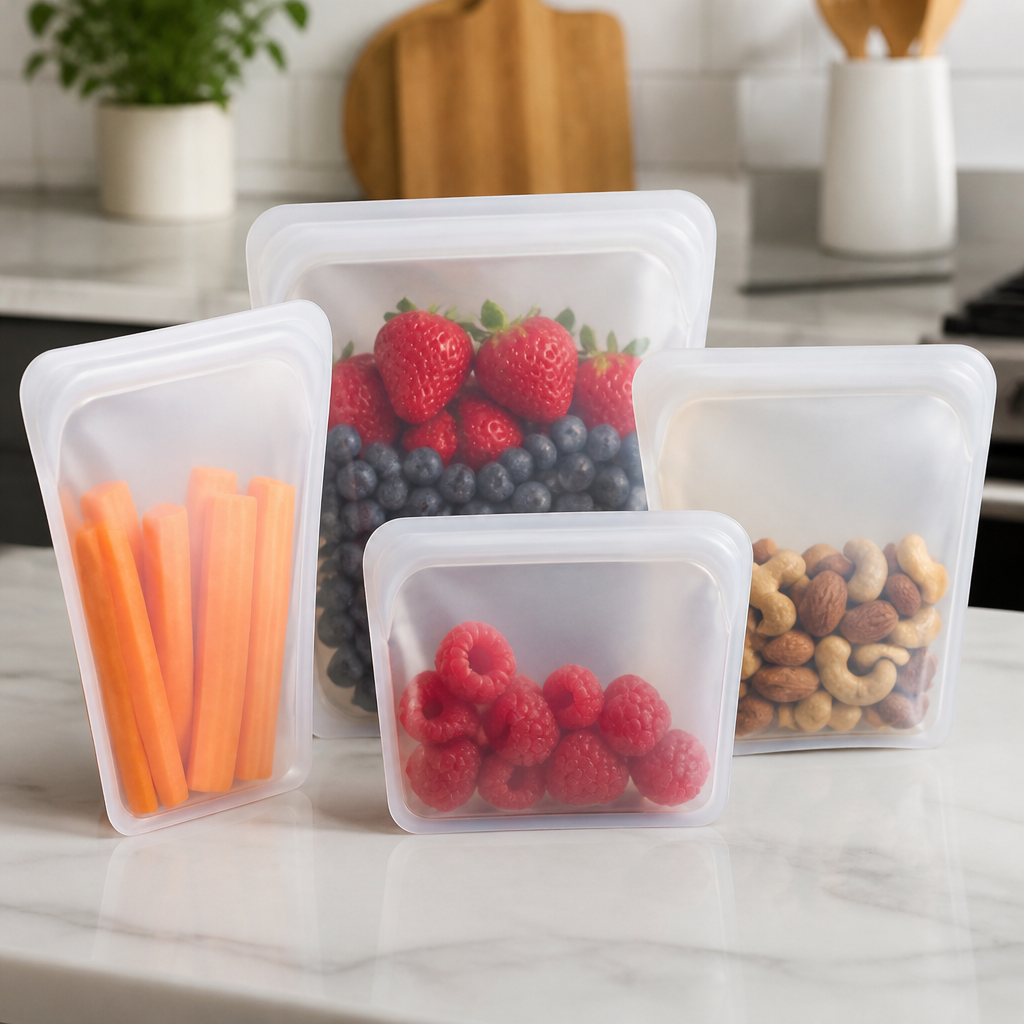
Smart Ways to Use Fewer Zip-Top Bags (and Why Silicone Bags Help)
Snacks packed for an outing, berries tucked in the freezer, and sandwiches ready for the road, all without reaching for a new box of bags. A few clever habits can make your kitchen tidier and your shopping list shorter.
The Quiet Budget Item
Zip-top bags are wonderfully handy, which is exactly why a box empties so fast. Snack bags, sandwich bags, freezer bags, gallon bags: they each land in the cart on a regular basis. With a few smart habits, one box can last a very long time.
Easy Ways to Stretch Every Bag
- Wash and reuse dry-goods bags. A bag that held crackers, bread or cut vegetables can be rinsed, turned inside out and air dried for another round.
- Retire bags that held raw meat. For food safety, toss bags that held raw meat, poultry, fish or eggs rather than reusing them.
- Dry them cleverly. Prop open bags over a wooden spoon handle in a jar, or clip them to a hanger so air can move inside.
- Use containers at home. Bags shine for travel and the freezer. At home, a lidded container often does the job just as well.
- Freeze flat. Lay soup or sauce bags flat to freeze, then stand them up like files. They thaw faster and take less room.
- Label with a washable marker. Then the same bag can be relabeled next time.
Try It Free First
Look around for packaging you already have. Bread bags, cereal liners and the sturdy bags that frozen vegetables come in can hold sandwiches and snacks. Clean jars carry trail mix or cut fruit. A cloth napkin tied around a sandwich makes a charming lunch wrap. These no-cost swaps can cut your bag use a lot.
Where Silicone Storage Bags Fit In
Reusable silicone storage bags are thick, flexible pouches with a seal at the top, made to be washed and used again and again. They are a nice upgrade for anyone who packs lunches, freezes food or loves keeping a tidy fridge.
- Freezer friendly: great for berries, sliced bananas for smoothies, and portions of soup.
- Often dishwasher safe: many can go on the top rack, or turn inside out for hand washing.
- Stand-up styles: some have a flat bottom so they stay upright while you fill them.
- Versatile: some are rated for warming food in water or the microwave. Check the listing.
Honestly speaking, silicone bags cost more up front than a box of plastic ones, so they pay off when you use them often. They can hold onto strong smells like garlic, so many people keep one set for savory foods and another for fruit. Some seals take a little practice to close fully.
What to Look for When Comparing
- Size mix: snack, sandwich and gallon sizes cover most needs.
- Seal type: pinch-press, slider and zipper styles each have fans. Reviews mention how easy they are to close.
- Thickness: thicker silicone tends to hold up better over time.
- Care instructions: check for dishwasher, freezer and microwave guidance.
- Food-grade material: look for clear details on the silicone used.
- Reviews and returns: compare listings, read recent reviews and check the return terms.
Professor Cheap’s Wrap-Up
Class, today’s lesson is simple: a bag that gets a second life is a bag you did not have to buy. Rinse, dry, reuse, and treat yourself to a few sturdy silicone bags if they suit your kitchen. Your freezer will look neat and your wallet will feel lighter in the very best way.
As an Amazon Associate, Cheap101 earns from qualifying purchases, at no extra cost to you. Browse more handy finds in the Student Store.

Rich Dad Poor Dad by Robert Kiyosaki: Big Ideas About Assets
Rich Dad Poor Dad by Robert Kiyosaki is one of the best selling money books ever written. Here is a friendly look at its big ideas about assets, cash flow, and financial learning, plus who tends to enjoy it.
What the Book Is About
Good day, class. Rich Dad Poor Dad, first published in 1997, contrasts the money lessons Robert Kiyosaki says he learned from two father figures. His own father, the poor dad, was a well-educated man who valued a steady job. His best friend’s father, the rich dad, was a business owner who taught him to think differently about money.
The book is written as a story with lessons tucked inside. It is more about mindset than step-by-step instructions, and it has inspired many readers to learn more about money, business, and investing.
The Big Ideas, in Plain Words
- Assets versus liabilities. Kiyosaki’s famous definition: an asset puts money into your pocket, while a liability takes money out. By his definition, a home you live in is not an asset, a view that sparks plenty of friendly debate.
- Buy assets that produce income. He encourages building things like rental property, businesses, or investments that generate cash flow.
- Financial education matters. He believes schools rarely teach money skills, so we should teach ourselves.
- Work to learn. Choose experiences that grow your skills, such as sales and communication, not just a paycheck.
- Mind your own business. Build your own column of assets alongside whatever job you hold.
Who Will Enjoy It
Readers who want a fresh way of thinking about money, especially about business ownership and real estate, often find it energizing. It is a quick, motivational read. In fairness, it is also a book that many financial writers have critiqued. Some question how much of the story is literal, and some of its suggestions involve more risk than others. I suggest reading it for the mindset ideas, and turning to more detailed sources before acting on any investment strategy.
Takeaways You Can Try Today
- Make two columns. On paper, list what brings money in and what sends money out each month. It is a clarifying little exercise.
- Read one money book a month. Your library can be your free financial classroom.
- Brainstorm a small side income. A hobby, a skill, or a craft might bring in a little extra.
- Learn before you leap. Before any investment, take time to understand how it works and what could go wrong.
These are ideas readers can consider, not personal financial advice. Every investment carries risk.
Read It Free First
This mega best seller is in nearly every library, often in several formats. Try Libby or Hoopla for the ebook or audiobook. Used copies are extremely common, so it is easy to find one for very little.
If You Decide to Buy
- The 20th anniversary edition adds updated notes and study sections.
- Compare paperback, ebook, and audiobook prices.
- Used copies are plentiful and budget friendly.
- Check return terms before ordering.
Whether you agree with every page or not, this book gets people thinking and talking about money, and that is always a good thing in my classroom. Read it with curiosity, take notes, and keep what serves you.
As an Amazon Associate, Cheap101 earns from qualifying purchases, at no extra cost to you. Browse more handy finds in the Student Store.

Suze Orman’s Money Book for the Young, Fabulous and Broke
Suze Orman wrote The Money Book for the Young, Fabulous and Broke for people just getting started, and it is full of encouraging, practical steps. Here is a friendly look at its big ideas and who will enjoy it most.
Suze Orman is one of the best known money voices in America, famous for her TV show and her bestselling books. In this one, first published in 2005, she speaks directly to young adults in their twenties and thirties who are building their first real financial foundation. Professor Ima thinks it also makes a thoughtful gift from a grandparent to a grandchild.
What the Book Is About
The book is a roadmap for the early years of adult life. Orman covers student loans, credit cards, credit scores, first jobs, renting versus buying, retirement accounts, and insurance. Her tone is warm and confident: you may be starting with little, and that is perfectly fine, because good choices now can set up a wonderful future.
The Big Ideas
- Your credit score is a valuable asset. She explains how it is built and why caring for it early can open doors later.
- Handle student loans with a plan. She walks through repayment options and staying organized.
- Start retirement saving early. Even small amounts in your twenties have decades to grow.
- Build a cushion. An emergency fund helps young adults handle surprises with confidence.
- Connect money and self-worth in a healthy way. A theme throughout her work is treating yourself, and your money, with respect.
Because the book is from 2005, some details about account limits, loan programs, and interest rates have changed. The core habits still shine, so readers may want to check current rules on official sites as they go.
Who Will Enjoy It
It suits recent graduates, young workers in their first apartment, and anyone who wants a confident, motivating voice in their corner. Parents and grandparents often enjoy reading it too, so they can talk money with the young people in their lives.
Ideas Readers Can Consider Today
- Pull your free credit reports through the official annual credit report site and look them over.
- List any student loans with their servicers, balances, and rates in one place.
- Open or add to a retirement account, even with a small automatic amount.
- Start a starter emergency fund and give it a cheerful nickname.
These are ideas readers can consider, not personal financial advice. For your own situation, a trusted professional or your loan servicer can help with specifics.
Try It Free First
This title is easy to borrow from public libraries, and many offer the ebook or audiobook through Libby. Since it has been around for years, used copies are plentiful and often very inexpensive.
Why Some Readers Like Owning a Copy
It is organized by topic, so it works well as a reference to pull off the shelf when a new money milestone comes up. When comparing listings, look at used copy condition, paperback versus hardcover, and the audiobook if you enjoy hearing Suze in her own voice.
Professor Ima’s Wrap-Up
Every great financial life starts somewhere, and the starting line is a wonderful place to be. Young, fabulous, and building something bright: that is a class Professor Ima is proud to teach!
As an Amazon Associate, Cheap101 earns from qualifying purchases, at no extra cost to you. Browse more handy finds in the Student Store.
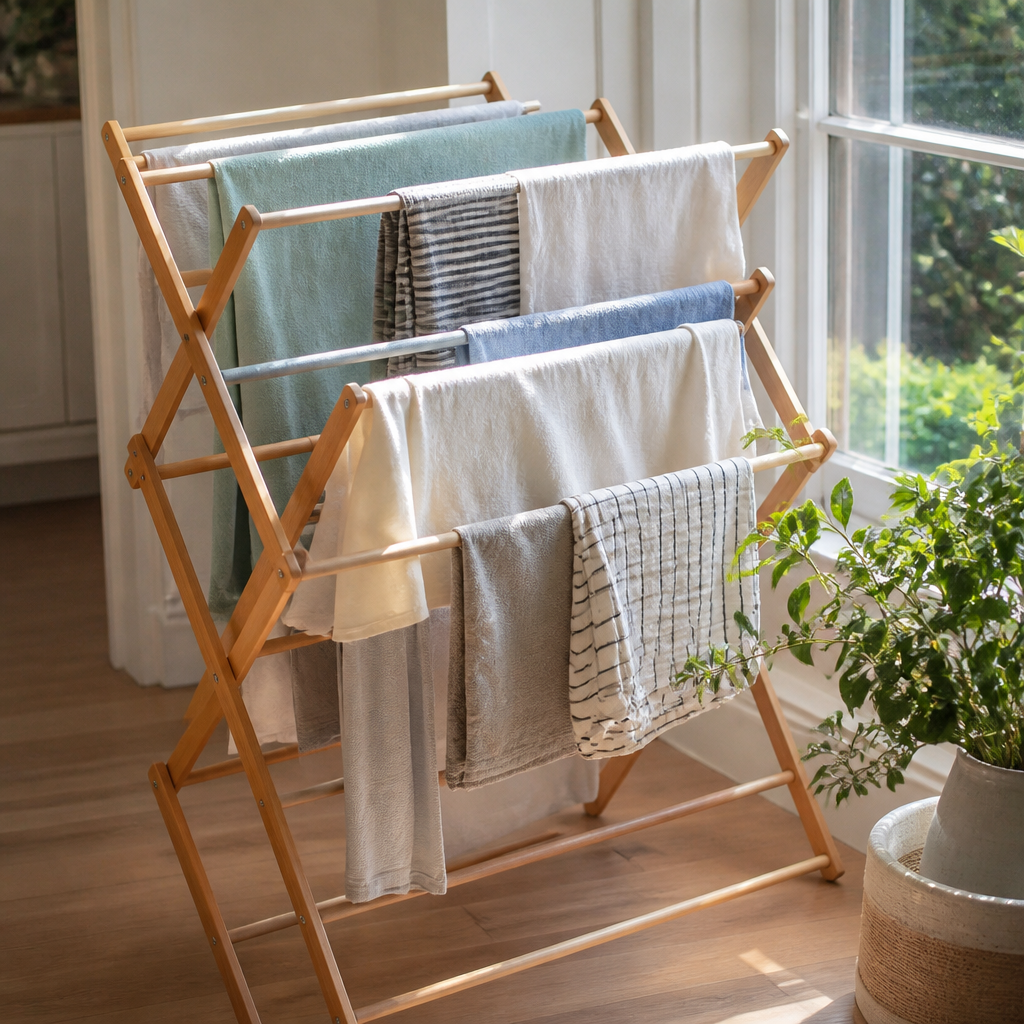
How to Air Dry Laundry Easily (and Why a Folding Rack Helps)
Fresh, soft laundry can dry for free with nothing but a little air and time. A folding drying rack and a few clever tricks help your clothes last longer, keep their shape, and give your dryer a nice long rest.
Why Air Drying Is a Thrifty Classic
Hello again, class! Our grandmothers knew this one well. Clothes dryers use quite a bit of energy, and every load you air dry is a load that costs nothing to dry. As a bonus, gentle air drying is kinder to fabrics. All that lint in your dryer filter? That is bits of your clothes. Air drying helps them stay nice longer.
Tips for Fast, Fresh Air Drying
- Use an extra spin. Choosing a high spin or an extra spin cycle removes more water, so clothes dry faster.
- Shake it out. A good snap before hanging smooths wrinkles and fluffs fibers.
- Give each piece space. Air needs room to move, so avoid crowding.
- Find good airflow. Near an open window, a ceiling fan, or a sunny spot works beautifully.
- Dry sweaters flat. Lay knits flat so they keep their shape.
- Turn darks inside out when drying in sunshine to help keep colors bright.
- Soften towels. If you like fluffy towels, a few minutes in the dryer after air drying, or a good shake, softens them nicely.
Try It Free First
Look around and you will find drying spots everywhere. A shower curtain rod is perfect for shirts on hangers. Plastic hangers on a door frame, the back of a chair, or a sturdy towel bar can all hold a few items. If you have a yard or patio and your community allows it, a simple clothesline gives you that lovely sunshine-fresh scent at no cost.
Where Folding Drying Racks Fit In
A folding drying rack gives you lots of hanging space that tucks away flat when you are done. It is a wonderful fit for apartments, condos, and communities where outdoor lines are not allowed. Many people set one up in a laundry room, a spare room, or on a balcony.
- Accordion style racks are compact and classic, often made of wood or metal.
- Gullwing racks have wings that fold up and down, giving a lot of space for a full load.
- Wall-mounted or over-the-door racks save floor space entirely.
What to Look For When Comparing
- Drying space: check the total length of hanging rails.
- Folded size: make sure it fits where you will store it.
- Material: rust-resistant metal, coated steel, or wood.
- Weight capacity: important for heavy towels and jeans.
- Stability and ease of setup: reviews often mention this.
- Return terms: compare listings before buying.
Professor Ima’s Wrap-Up
Sunshine and fresh air are free, and they are wonderful at drying laundry. Spin well, hang with space, and let a handy rack hold the load. Your clothes stay lovely and your energy bill stays light. Hang on to that lesson, students!
As an Amazon Associate, Cheap101 earns from qualifying purchases, at no extra cost to you. Browse more handy finds in the Student Store.

Tactical Cargo Socks
Looking for a gift that’s both brilliantly practical and budget-friendly? These Tactical Cargo Socks check all the boxes-and then some. They’re the ultimate cheap-yet-genius gift for any outdoorsy friend… or for your own frugal feet. With cozy warmth and built-in waterproof pockets, they let you stash your essentials right in your socks (because who needs a fancy bag?). Whether you’re hiking a trail or sneaking snacks into the movies, these socks prove you don’t have to spend big to think smart.

Rechargeable Mini Bag Heat Sealer & Cutter
Stop wasting money on stale chips, crackers, and cereal. The Rechargeable Mini Bag Heat Sealer creates an airtight seal on opened plastic and foil bags in seconds without requiring preheating. Powered by a built-in rechargeable battery with convenient USB charging, this handheld kitchen tool eliminates the recurring cost of replacement disposable batteries.
The integrated dual-action design includes a concealed safety cutter to slice open packaging cleanly and a magnetic backing that sticks right to your refrigerator door so it is always within reach. By keeping air and moisture out of pantry staples and frozen foods, this pocket-sized tool pays for itself after rescuing just a few bags of groceries from the trash.