
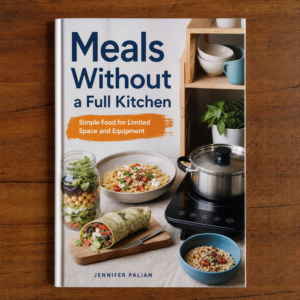
Meals without a full kitchen can take more planning than a recipe suggests. Perhaps you rent a room, stay in a motel, share an overcrowded kitchen, or live somewhere with no cooking facilities. You may have food money but no stove, refrigerator, or safe place to prepare ingredients.
This lesson starts with those limits instead of pretending they do not exist. You deserve meals that are practical for your space. You do not need to buy a collection of appliances before you can begin.
Make a quick equipment and storage list
Write down what you can safely use: a refrigerator, microwave, approved cooking appliance, can opener, bowl, spoon, and safe drinking water. Also consider where you can wash your hands and utensils, dispose of waste, and store food away from pests.
Check the rules where you stay before using an appliance. A room may not allow cooking, and an electrical outlet may not support the equipment you want to use. An appliance is helpful only when you can operate it safely and legally in that setting.
If you have neither a stove nor refrigeration
Build around unopened shelf-stable foods in amounts you can finish after opening. Options include ready-to-eat beans with pull tabs, individual tuna pouches, peanut butter if suitable for you, crackers, bread, and whole fruit that tolerates your storage conditions.
A simple meal might be peanut butter on bread with a banana, or a ready-to-eat bean portion with crackers and a piece of fruit. Check labels for allergens and preparation instructions. Some products that look similar require cooking or refrigeration.
Buy only what you can safely store and use. An opened can of beans, tuna, or vegetables usually needs refrigeration for leftovers. A family-size container can be poor value if you must discard most of it. Single portions may cost more per ounce but fit your circumstances better.
If you have a refrigerator but no cooking equipment
A reliable refrigerator opens up more options. You might combine yogurt and cereal, make a sandwich with suitable fillings, or assemble a meal with ready-to-eat beans, vegetables, and bread. Pick food you enjoy and can chew comfortably.
Keep ingredients simple enough to use across several meals. A bag of carrots, bread, and one sandwich filling may be more practical than five unrelated ingredients. If washing and cutting produce is difficult, compare the cost of prepared options with foods needing less handling.
If you have a microwave
Consider plain oatmeal, microwave potatoes, or ready-to-eat beans and vegetables heated in a microwave-safe bowl. Follow package instructions and the appliance directions. Use containers designed for microwave cooking, never metal cans or containers of uncertain suitability.
A potato topped with warmed beans is one flexible meal. Oatmeal with fruit is another. Ready-to-heat rice can be convenient when cooking dry rice is not possible, although its price per serving may be higher. Convenience can solve a real equipment problem.
Check whether a common microwave is available at particular hours. Planning a meal around equipment you cannot reach tonight does not help. Have an alternative that fits the access you actually have.
If you have only an electric kettle
Use the kettle as its manufacturer directs. Usually that means heating water, not putting soup, eggs, or noodles inside the kettle itself. You can pour hot water into a suitable bowl or cup for foods specifically labeled for that preparation.
Instant oatmeal or an appropriate instant soup may work. Let the food prepare for the time stated on its package, and take care with hot water and steam. If the kettle’s instructions do not allow a use, choose another method.
Storage matters as much as the recipe
USDA recommends refrigerating perishable food within two hours, or within one hour when temperatures exceed 90 F. A refrigerator should be 40 F or below. Read USDA food safety basics for details.
A parked car is not a refrigerator, even when the air feels cool. A cooler is useful only if it consistently maintains a safe temperature. Ice costs, space, and the ability to check temperature belong in your plan. If storage is uncertain, avoid saving perishable leftovers.
Keep cooking out of unsafe spaces
Do not use grills, camp stoves, or fuel-burning cooking equipment inside a vehicle or enclosed room. Do not run a vehicle engine to create a cooking setup in an enclosed area. Follow manufacturer instructions and use permitted cooking spaces. The CDC explains the danger of carbon monoxide from fuel-burning equipment.
If you have no safe place to cook, ready-to-eat food or a prepared meal service may be a better answer than another gadget. Safety is part of affordability. A cheap setup that puts you at risk is not a bargain.
Ask for food you can actually use
When contacting a pantry, say, “I do not have a stove or refrigerator. Do you have ready-to-eat or shelf-stable options?” Ask whether nearby programs offer prepared meals. Availability varies, but sharing your limits helps people suggest something useful.
Our first food pantry visit guide explains questions to ask. You can also use Feeding America’s food bank finder or explore our food assistance resources.
For your next meal, choose one workable combination and write down the full shopping cost. Our free planner is optional. A simple plan that fits your living situation is enough.