

Looking for the cheapest pickleball gift around? You just found it-Vlasic Pickle Balls! 🏓🥒 These dill pickle-flavored corn puffs are a crunchy, gluten-free grand slam for any sports lover. Whether you’re smashing serves on the court or just snacking in style, these tangy treats bring the perfect bite of pickleball fun-no paddle required.

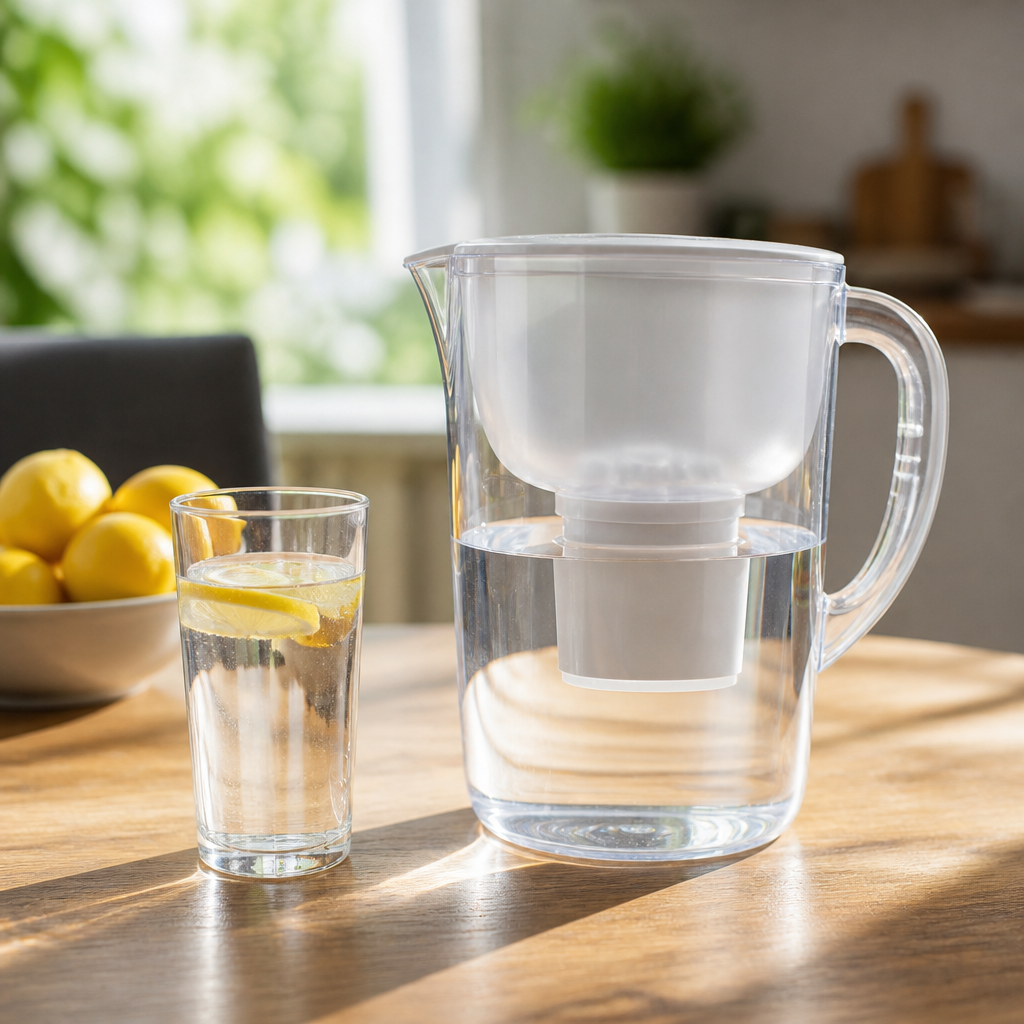
Great-Tasting Water From Your Tap (and How a Filter Pitcher Helps)
A cold, refreshing glass of water can be one of the cheapest pleasures in your whole home. With a few simple habits and a filter pitcher in the fridge, tap water can taste crisp and clean, and the bottled water budget can go toward something fun.
Hello again, class! Today’s lesson is refreshingly simple. Water is something we all enjoy every day, and the way we get it can make a real difference to the household budget. Professor Ima is here to help you pour yourself a delicious glass for pennies.
Why Tap Water Is a Budget Star
In most homes, tap water costs a tiny fraction of what bottled water does. Cases of bottles add up quickly, take up pantry space and need to be carried home from the store. Filling a glass at the sink is about as thrifty as it gets. If you would like to know more about your local water, many water utilities publish a yearly water quality report, often called a Consumer Confidence Report, that you can look up online or request.
Simple Ways to Make Tap Water Taste Wonderful
- Chill it. Cold water tastes crisp. Keep a full pitcher or bottle in the fridge so it is always ready.
- Let it breathe. Some people find that water left in an open pitcher in the fridge for a while tastes milder.
- Run the tap first. If water has been sitting in the pipes overnight, let it run until it feels cold before filling your pitcher.
- Add a little flavor. Lemon, lime, orange slices, cucumber, mint or a few berries make water feel like a spa treat.
- Keep containers clean. Wash pitchers and bottles regularly so every glass tastes fresh.
- Carry a reusable bottle. Fill it at home before errands and skip buying drinks while you are out.
Try It Free First
Start today with what you have. Fill a clean jar or a pitcher you already own, pop it in the fridge, and add a slice of citrus. Many people find that simply chilling their tap water is enough to make it a favorite drink. If you would like an even cleaner taste, a filter pitcher is a nice next step.
Where a Water Filter Pitcher Fits In
A water filter pitcher has a filter cartridge in the top. You pour tap water in, it trickles through the filter, and filtered water collects below, ready to pour. Many filters are designed to reduce chlorine taste and odor, which is a big reason people enjoy the flavor. Pitchers fit on a fridge shelf and need no installation, so they work well for renters and small kitchens.
Each filter is rated for what it reduces, so read the product details carefully. Look for independent certifications, such as NSF/ANSI standards, and check exactly which substances that model is certified for. Remember to factor in the cost of replacement filters and how often they need changing. The button on this page is a search for this type of product, so compare listings, reviews, sizes and return terms.
What to Look For When Comparing
- Certifications: Which standards the filter is certified to, and for what.
- Filter cost and life: Price per replacement and gallons per filter.
- Capacity: How many cups it holds, and whether it fits your fridge shelf or door.
- Filter speed: Some filters work faster than others.
- Easy filling: A flip-top lid lets you refill without lifting the whole cover.
- Change reminder: A built-in indicator helps you remember when to swap filters.
Professor Ima’s Wrap-Up
Good taste does not have to come in a plastic bottle. A chilled pitcher, a slice of lemon and a reusable bottle for errands can keep you happily sipping all day long, while your grocery money stays right where it belongs. Cheers to that, class!
As an Amazon Associate, Cheap101 earns from qualifying purchases, at no extra cost to you. Browse more handy finds in the Student Store.

Stanley Quencher H2.0 Tumbler
Yes, it’s the cup everyone on TikTok has. Yes, I finally caved. It keeps drinks cold for hours, fits in my cup holder, and has a handle so I can carry it like a responsible adult. Do I need a 30oz cup? No. Do I drink more water because of it? Actually yes. The hype is annoying but the cup is legit.

Clever Fox Budget Planner & Bill Organizer
Give your money routine a pretty, dependable home. This Clever Fox budget planner pairs pages for monthly spending and expense tracking with 12 pockets for bills, so a cup of tea and a few quiet minutes become your favorite monthly check-in.
A budget is easier to revisit when the numbers and bills have a consistent home. This Clever Fox organizer combines a paper spending planner with pockets for financial paperwork.
A place for your monthly money routine
The linked listing describes space for planning monthly spending, tracking expenses, and storing bills in 12 pockets. Set aside a regular time to record payments and review what remains for the month. Keep sensitive account information somewhere secure.
Before you buy
Check the organizer’s dimensions and page layout against your preferred way of budgeting. This listing is for the large rose-gold version; confirm the selected color and format before ordering.
Start with what you have
Start with a notebook and labeled envelopes if you already have them. A planner is useful only if its layout makes your routine easier.
Check the current price, selected product, and availability on Amazon. Browse more practical finds in the Student Store.

Get What’s Yours: A Friendly Guide to Social Security Choices
Get What’s Yours by Laurence Kotlikoff, Philip Moeller, and Paul Solman explains Social Security in plain, friendly language. It helps readers understand their claiming options so they can feel confident about one of retirement’s biggest choices.
Social Security has a lot of moving parts, and these three authors make a delightful team for explaining it. Laurence Kotlikoff is an economist at Boston University, Philip Moeller is a longtime retirement journalist, and Paul Solman is the business and economics correspondent for the PBS NewsHour. Together they wrote Get What’s Yours: The Secrets to Maxing Out Your Social Security.
What the Book Is About
The book walks through how benefits are calculated and how the timing of a claim can affect lifetime income. It covers retirement benefits, spousal benefits, survivor benefits, benefits for divorced spouses, and how work and taxes interact with Social Security. The authors write with humor and plenty of real-life examples, which makes a complex topic much easier to follow.
The Big Ideas
- Timing is a big decision. Monthly benefits grow for each year you wait past your earliest eligibility, up to age 70, so the claiming age deserves careful thought.
- Couples can coordinate. Spouses may be able to plan their claims together to support the household and a surviving partner.
- Know every benefit you may qualify for. Spousal, survivor, and divorced spouse benefits are often overlooked.
- Ask good questions. The authors encourage readers to understand the rules well enough to confirm details with the Social Security Administration.
A helpful note: Social Security rules change from time to time, and some claiming strategies in early printings were changed by law in 2015. The authors released a revised edition to reflect this, so the newest edition is the best choice, and readers should double check current rules at the official Social Security website.
Who Will Enjoy It
It is ideal for anyone in their fifties or sixties thinking about when to claim, married couples planning together, widows and widowers, divorced readers, and adult children helping parents with their paperwork.
Ideas Readers Can Consider Today
- Create or log in to your my Social Security account on the official SSA website and review your earnings record.
- Look at your estimated benefit at several claiming ages to see the range of options.
- If you are married, sit down together and compare both records.
- Write down your questions before calling or visiting the Social Security office.
These are ideas readers can consider, not personal financial advice. The Social Security Administration and a trusted professional can help confirm what applies to you.
Try It Free First
Many public libraries carry Get What’s Yours in print, and some offer the ebook or audiobook through Libby. The Social Security website also has free calculators and plain-language guides that pair nicely with the book.
Why Some Readers Like Owning a Copy
Claiming decisions often unfold over several years, so many readers like keeping a copy to revisit as each birthday milestone approaches. When comparing listings, look for the revised edition and check publication dates on used copies.
Professor Ima’s Wrap-Up
You worked hard for those benefits, and understanding them is time well spent. A little homework now can bring confidence for many years to come. That is a lesson worth every minute!
As an Amazon Associate, Cheap101 earns from qualifying purchases, at no extra cost to you. Browse more handy finds in the Student Store.
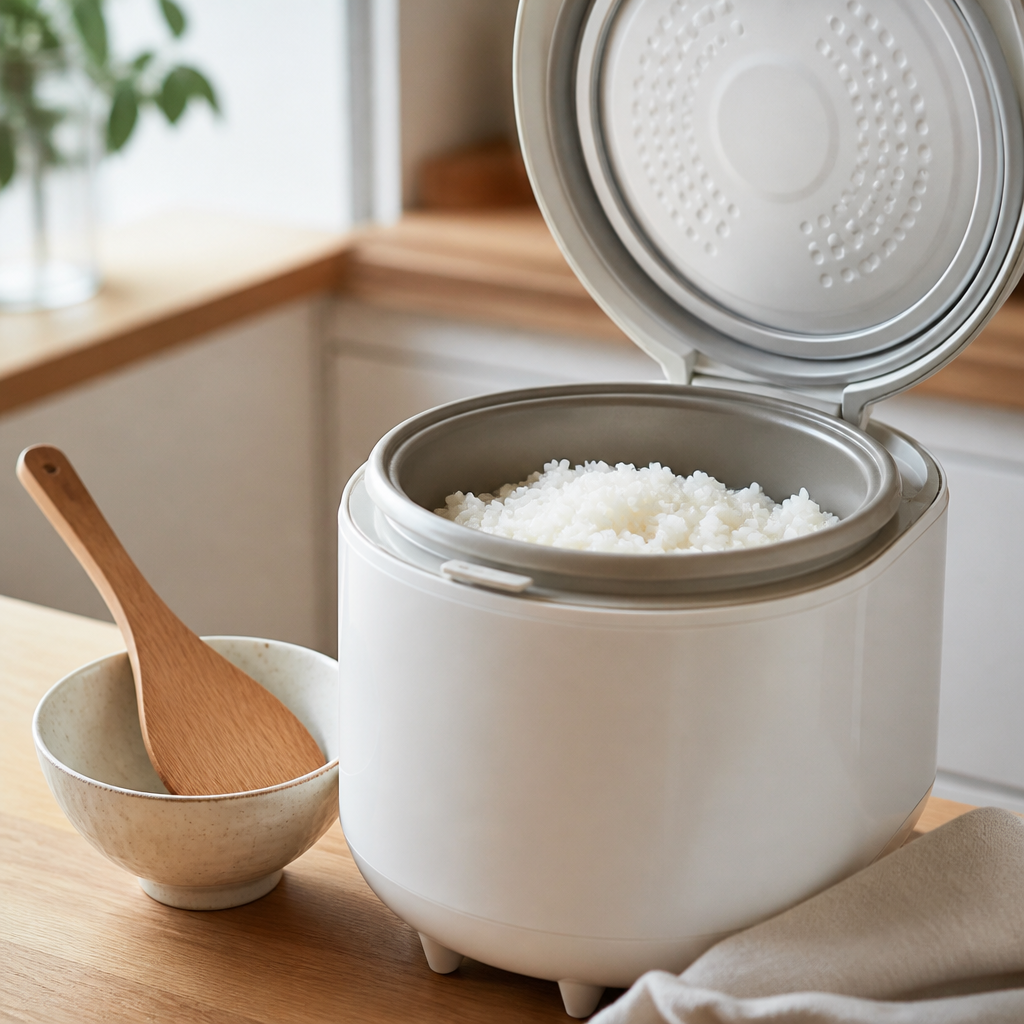
Easy, Low-Cost Meals Built on Rice (and Why a Rice Cooker Helps)
A warm bowl of rice is the start of a hundred thrifty, tasty meals. Learn how to cook it well, dress it up a dozen ways, and see how a small rice cooker can make perfect rice with just the press of a button.
Why Rice Is a Budget Hero
Rice is one of the most affordable foods in the store, especially in larger bags. It keeps well in a sealed container, pairs with almost any flavor, and turns small amounts of vegetables, eggs, beans or meat into a filling meal. Cultures all over the world have built wonderful cooking around it.
How to Cook Rice Well on the Stove
- Rinse it. Swish white rice in cool water and pour it off a few times until the water looks clearer. This helps grains turn out fluffy.
- Measure the water. Long-grain white rice is often cooked with about 1 1/2 to 2 cups of water per cup of rice. Brown rice usually needs more water and more time. Check your package.
- Simmer covered. Bring to a boil, cover, turn to low and leave the lid on.
- Rest, then fluff. Let it sit, covered and off the heat, for about 10 minutes, then fluff with a fork.
- Chill leftovers quickly. Spread extra rice out to cool, then refrigerate within about an hour or two and use within a few days.
Thrifty Rice Meal Ideas
- Fried rice: day-old rice, a scrambled egg, frozen peas and carrots, and a splash of soy sauce.
- Rice and beans: a classic pairing, with salsa, cumin or a squeeze of lime.
- Rice bowls: top with roasted vegetables, a fried egg and any leftover protein.
- Soup stretcher: add cooked rice to broth and vegetables for a hearty soup.
- Rice pudding: simmer leftover rice with milk, a little sugar and cinnamon for a cozy dessert.
Try It Free First
Any pot with a snug lid cooks lovely rice. Another easy method is the pasta style: boil rice in plenty of water like pasta, taste for doneness, then drain. It is forgiving and great for brown rice. Get comfortable with one method, and rice night becomes second nature.
Where a Small Rice Cooker Fits In
A small rice cooker takes the watching out of the job. You add rinsed rice and water, press a button, and the cooker switches to keep-warm when it is done. Small models, often around 3 cups uncooked capacity, suit singles, couples and small kitchens nicely.
- Hands-off: frees the stove and your attention for the rest of the meal.
- Consistent results: many people like how reliably it turns out fluffy rice.
- More than rice: many models also cook oatmeal, quinoa or steamed vegetables. Check the manual.
- Compact: small ones fit easily on a counter or in a cupboard.
Honestly, if you cook rice only now and then, a good pot may be all you need. A rice cooker shines for households that enjoy rice often.
What to Look for When Comparing
- Capacity: listings may give cups uncooked or cooked, so read carefully.
- Keep-warm function: handy when dinner timing shifts.
- Non-stick inner pot: removable pots are easier to wash.
- Settings: simple one-button models or ones with brown rice and porridge settings.
- Steamer basket: lets you steam vegetables above the rice.
- Reviews and returns: compare listings, read recent reviews and check the return terms.
Professor Cheap’s Wrap-Up
Students, a bag of rice is one of the best bargains in the whole grocery store. Cook it in a pot or a handy little cooker, top it with whatever is in the fridge, and enjoy a warm, satisfying meal that leaves plenty of money for the week ahead.
As an Amazon Associate, Cheap101 earns from qualifying purchases, at no extra cost to you. Browse more handy finds in the Student Store.

Blockbuster Credit Card Cover
Why flash a fancy card when you can swipe like it’s 1995? The Blockbuster Credit Card Cover turns your card into a nostalgic, budget-friendly icon. With its retro design and glossy, scratch-resistant finish, it says, “I save money-and I miss late fees.” Be kind, rewind… and keep ’em guessing how thrifty you really are.
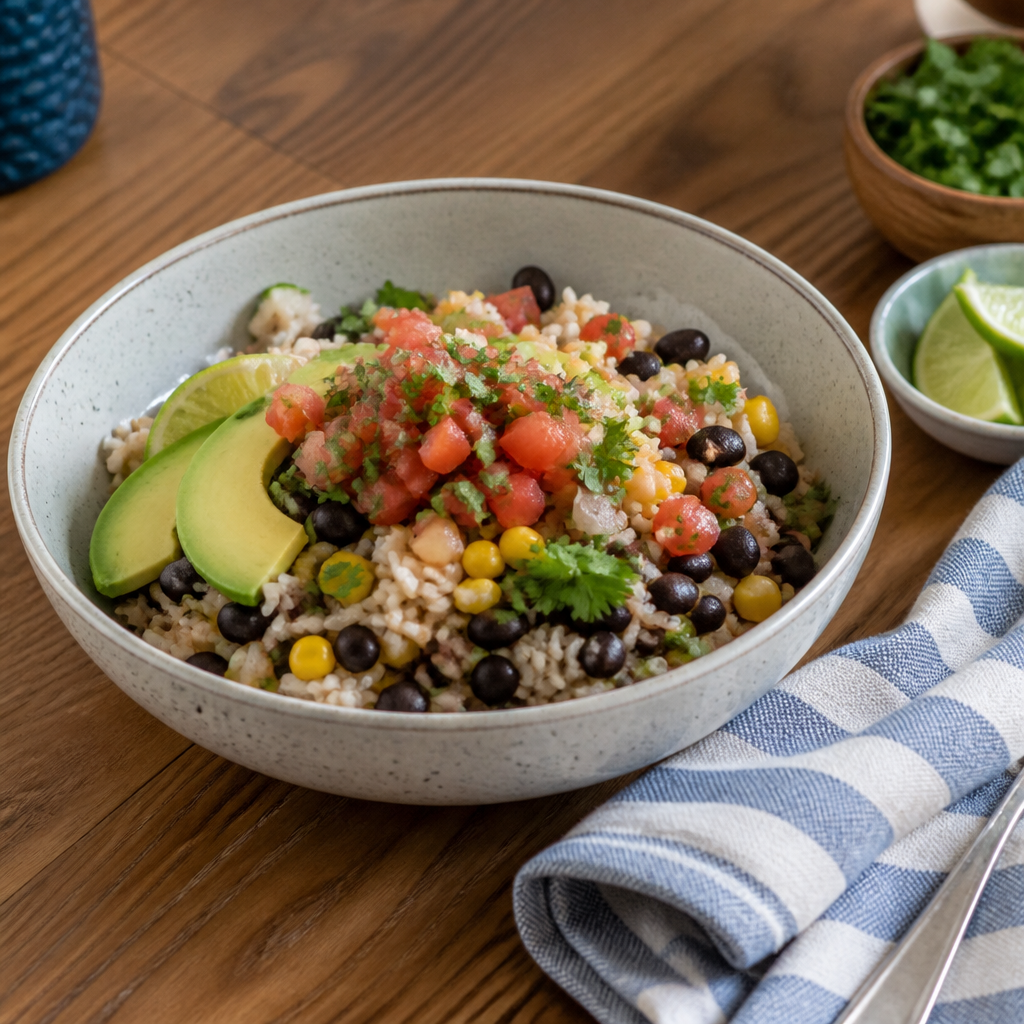
Budget Bytes by Beth Moncel: Tasty Recipes That Stretch Your Groceries
Budget Bytes by Beth Moncel proves that inexpensive food can be colorful, flavorful, and fun to cook. Her cookbook gathers over 100 easy recipes plus smart tips for making every grocery dollar count.
Beth Moncel started the Budget Bytes blog to show that cooking on a small budget could still be delicious. The blog became hugely popular, and her first cookbook, Budget Bytes: Over 100 Easy, Delicious Recipes to Slash Your Grocery Bill in Half, brought her approach to the kitchen counter. Professor Ima considers it required reading for the Kitchen Savings department.
What the Cookbook Is About
The book combines easy, flavorful recipes with a peek behind the price tag. Moncel is known for breaking recipes down by approximate cost, which helps cooks see which ingredients carry the most value. Prices change over time, of course, but the habit of thinking about cost per serving stays useful forever.
The Big Ideas
- Flavor comes from smart ingredients. Spices, garlic, citrus, and fresh herbs can make humble staples taste wonderful.
- Stock a thrifty pantry. Beans, rice, pasta, oats, canned tomatoes, and frozen vegetables give you a head start on many meals.
- Cook once, eat twice. Many recipes make enough for leftovers or freeze well for later.
- Use ingredients across several recipes. Buying a bunch of cilantro for one dish? Plan another that uses the rest.
- Think in cost per serving. Knowing roughly what a portion costs helps you plan a happy week of meals.
Who Will Enjoy It
It is perfect for new cooks, students, busy families, and anyone cooking for one or two who wants variety without waste. Experienced home cooks will also find fresh ideas, especially for bowls, soups, and big-batch dishes.
Ideas Readers Can Try Today
- Make a simple bean and rice bowl and dress it up with salsa, lime, and whatever vegetables you have.
- Add up the cost of your next homemade dinner and divide by servings. It is often a pleasant surprise.
- Plan two meals that share ingredients so nothing goes unused.
- Freeze extra portions in single-serving containers for easy lunches.
Try It Free First
The Budget Bytes website shares a large collection of free recipes, so you can cook from it tonight. Many libraries also carry the cookbook in print, and some offer it as an ebook through Libby or Hoopla. Used copies show up often too.
Why Some Readers Like Owning a Copy
A printed cookbook is easy to flip through for inspiration, stays put on the counter, and makes a lovely gift for someone setting up a first kitchen. Moncel has also published a later cookbook, so when comparing listings, check which title you are getting, along with used copy condition and price.
Professor Ima’s Wrap-Up
A full plate and a happy wallet make a winning combination. Grab a pot, a few pantry staples, and a pinch of creativity, and you will be dishing up thrifty feasts in no time. Extra credit for leftovers!
As an Amazon Associate, Cheap101 earns from qualifying purchases, at no extra cost to you. Browse more handy finds in the Student Store.
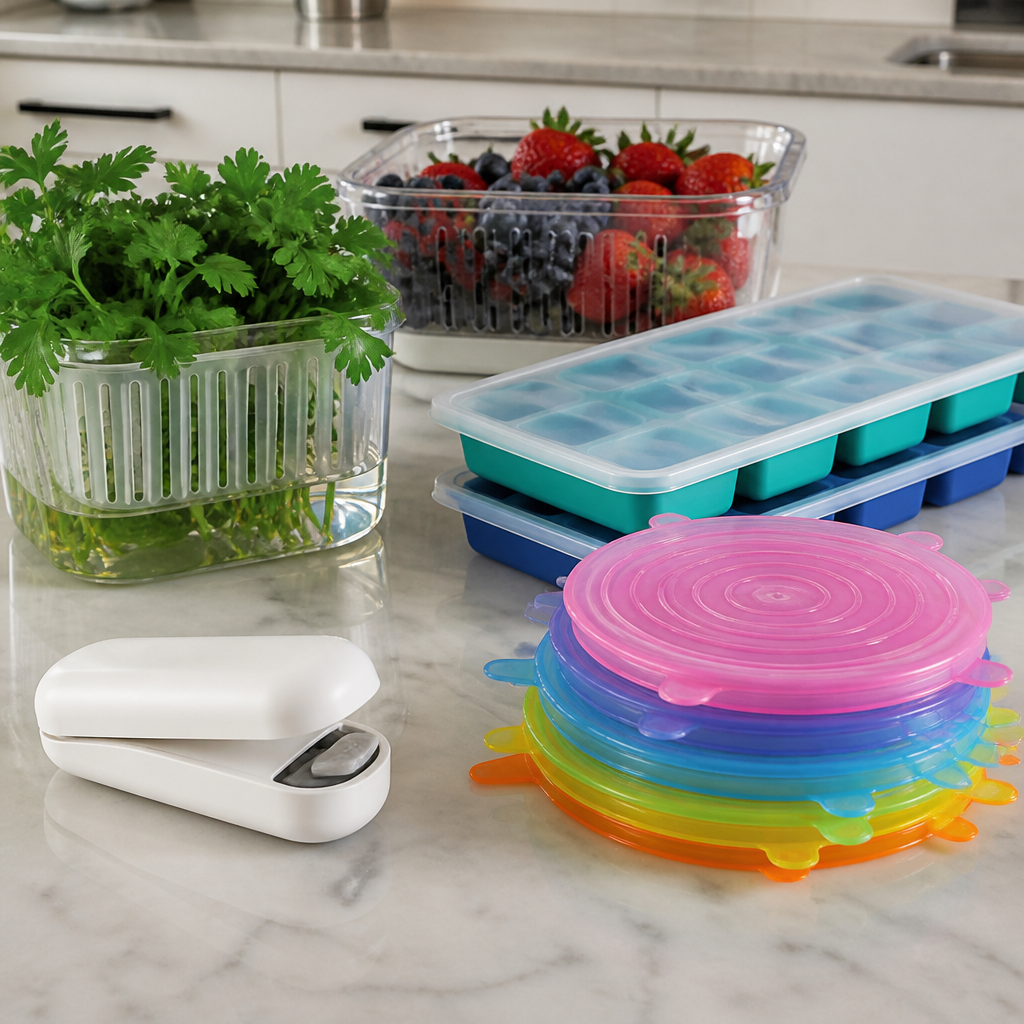
5 Kitchen Tools to Compare Before You Buy
Smart shoppers compare first, and this guide makes it easy. Professor Ima lines up five handy kitchen tools, from bag sealers to stretch lids, each paired with a clever free alternative, so you can pick only what truly fits your kitchen routine.
Student Store Coursework · Practical Kitchen Finds
5 Kitchen Tools to Compare Before You Buy
Before buying another kitchen gadget, notice what you actually throw away and try a free storage solution first. These five types of tools may help with particular routines. This is a buying guide, not a hands-on product test; listings and prices vary.
1. Handheld 2-in-1 Mini Bag Heat Sealer
A handheld heat sealer may help reseal compatible bags. Models vary in power source, heating time and suitable bag materials. Check the specific listing and instructions; do not assume it seals every type of packaging or replaces proper food storage.
- Check before buying: Compatible bag materials and safe-use instructions
- Power source: Varies by model; check the listing
- Target price: Under $14
2. Tall Upright Fresh Herb Keeper
An herb keeper can help organize some fresh herbs, but freshness depends on the herb, its condition and storage method. Compare dimensions, cleaning access and care instructions; no container guarantees a particular storage life.
- Design: Vertical hard-shell cup with water refill port
- Capacity: 1 to 2 standard fresh grocery bunches
- Target price: Under $16
3. 1-Cup Silicone Freezing Pod Trays with Lids
Portion trays can make it easier to freeze smaller servings of soup or sauce. Compare cavity size, material, lid fit and the manufacturer’s freezer and food-contact instructions. Choose portions you will actually use.
- Material: Confirm food-contact and freezer suitability
- Portion size: Compare capacity and number of cavities
- Target price: Under $18
4. Vented Produce Keeper Container with Drain Tray
Produce containers with drainage inserts and vents offer another storage option. Different foods need different conditions. Check the manufacturer’s guidance and container size; longer freshness is not guaranteed.
- Components: Outer clear bin + removable colander + vent lid
- Best for: Berries, cherry tomatoes, lettuce, cut broccoli
- Target price: Under $15
5. Multi-Size Silicone Stretch Lids (12-Piece Set)
Stretch lids may replace disposable wrap for some bowls and containers. Fit and seal quality vary. Confirm dimensions and the specific product’s dishwasher, microwave and freezer instructions before using it.
- Set count: Varies; compare sizes you will use
- Care: Follow the specific product instructions
- Target price: Under $12
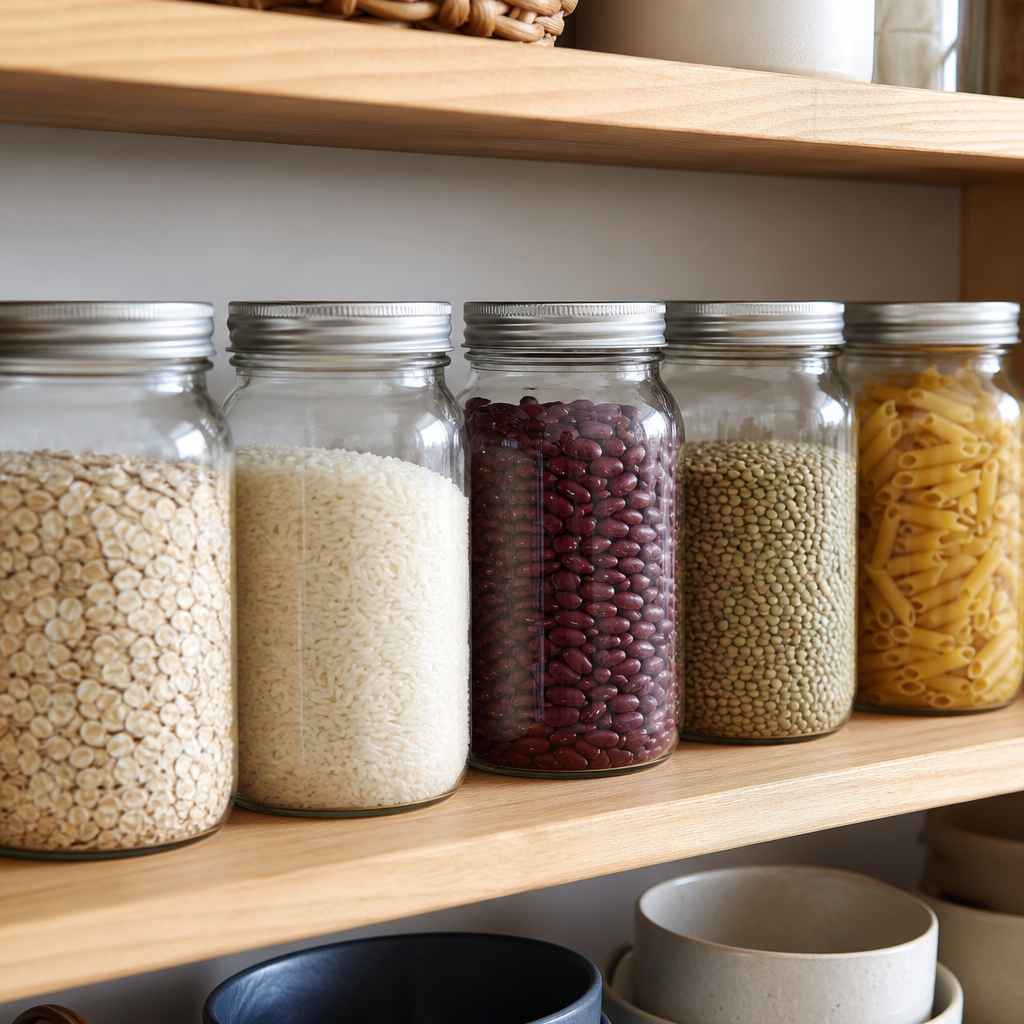
Buy in Bulk, Store It Beautifully: Mason Jars for the Pantry
Rows of oats, beans, rice and pasta, all neatly lined up where you can see them. Buying pantry basics in bulk can stretch your grocery money, and clear jars turn those bargains into a pantry that looks as good as it works.
How to Buy in Bulk the Smart Way
Bulk buying is a classic frugal move, and it works best with a little planning. The goal is to buy more of what you truly use, at a lower price per ounce, and store it so it stays fresh until the last scoop.
- Check the unit price. Shelf tags usually show price per ounce or pound. Compare the bulk bin, the big bag and the regular package.
- Stick to your staples. Oats, rice, dried beans, lentils, pasta, flour, sugar and popcorn kernels are popular bulk buys because they keep well.
- Bring your own containers. Some stores with bulk bins let you weigh a jar first and fill it. Ask at the register.
- Freeze before storing. Many home cooks put flour or grains in the freezer for a few days after buying to help keep pantry pests away.
- Label and date. Write the item and purchase date on masking tape and stick it on the jar or lid.
- First in, first out. When refilling, pour the older food into a bowl, add the new food, then put the older food on top so it gets used first.
Whole-grain flours and nuts contain natural oils, so they stay freshest in the fridge or freezer. Keep jars in a cool, dark cupboard for the best results.
Try It Free First
Your recycling bin may hold a whole pantry system. Glass jars from pasta sauce, pickles, salsa, peanut butter and jam are perfect for storage once washed. Soak off the labels in warm, soapy water, and air the lids out with a little baking soda if they hold a scent. Many frugal pantries are built entirely from these free jars.
Where Mason Jars Fit In
Mason jars are sturdy glass jars with standard regular-mouth or wide-mouth openings. That standard size is their secret charm: lids, pour spouts and shaker tops made to fit those openings are easy to find, and a matching set gives your shelves a calm, tidy look.
- See everything at a glance: no more guessing how much rice is left.
- Many sizes: from small jelly jars for spices to half-gallon jars for flour.
- Multi-purpose: pantry storage, overnight oats, salads, leftovers, drinks and home canning.
- Long lasting: glass jars can serve for many years with gentle care.
Honest notes: glass is breakable, so keep heavy jars on lower shelves. If you plan to can at home, follow tested canning guidance and use new flat lids, since those are designed for one canning use.
What to Look for When Comparing
- Mouth size: wide-mouth jars are easier to scoop from and clean.
- Jar size: quart and half-gallon jars suit bulk staples. Pint jars fit smaller items.
- Lid type: two-piece metal lids, one-piece plastic storage lids or airtight lids with gaskets.
- Pack size: cases often bring the price per jar down.
- Packaging: reviews may mention how well jars were protected in shipping.
- Reviews and returns: compare listings, read recent reviews and check the return terms.
Professor Cheap’s Wrap-Up
Class, a well-stocked pantry is like a savings account you can eat. Buy what you love at a good unit price, tuck it into jars, and enjoy the simple pleasure of opening a cupboard that is full, neat and ready for supper.
As an Amazon Associate, Cheap101 earns from qualifying purchases, at no extra cost to you. Browse more handy finds in the Student Store.
How to Start a Grocery Price Book and Spot a Real Deal
A grocery price book is a frugal shopper’s secret weapon. Jot down what your favorite items cost at different stores, and soon you will know a true bargain the moment you see it. It is simple, satisfying, and keeps more money in your purse.
What a Price Book Does
Welcome, class! Stores love big yellow sale signs, but a “sale” is not always a deal. A price book is your personal record of what things really cost. Once you know your lowest usual price for coffee or chicken, you can stock up confidently when it appears and skip the so-so “sales” in between.
How to Start Your Price Book
- List your top 20 to 30 items. Start with things you buy often: milk, eggs, bread, coffee, chicken, rice, canned tomatoes, toilet paper.
- Give each item its own page or section. Alphabetical order makes flipping quick.
- Record the details. Date, store, brand or store brand, size, price, and unit price.
- Use receipts and ads. Your old receipts and weekly store flyers are a quick way to fill in early prices.
- Circle the best price. Over time, mark your lowest price for each item. That becomes your “buy price.”
Unit price is the real star
Package sizes shift around, so compare by unit price: price per ounce, per pound, or per count. Simply divide the price by the amount. A 24 ounce jar for $3.60 is 15 cents an ounce. Now you can compare it fairly with any other size.
Watch for patterns
After a few months, you may notice that certain items go on sale in a regular rhythm. Baking supplies often dip around the holidays, and grilling foods around summer holidays. When your favorite item hits its buy price, pick up enough to last until the next sale, as long as it fits your storage and stays fresh.
Keep it manageable
You do not need every item in the store. Focus on what you buy most and what costs the most. Update prices when you shop, and a few minutes each week keeps the book fresh.
Try It Free First
An index card for each item, kept with a rubber band, makes a perfectly good price book. A small spiral notebook works too, or a notes app or free spreadsheet on your phone. Many store apps also show current prices, which helps you fill in your book from the couch.
Where a Price Book Notebook Fits In
A dedicated pocket notebook or small tabbed book gives your price records a permanent, portable home. Some are made specifically for price tracking with ready columns for item, store, size, and price. A small size slips into a purse so you can check it right in the aisle.
It can suit shoppers who like paper, anyone who visits several stores, and folks who enjoy the game of finding the best price. Alphabetical tabs make it extra quick to use.
What to Look For When Comparing
- Size: pocket or purse sized for shopping trips.
- Tabs: alphabetical or category tabs help you find items fast.
- Columns: room for store, size, price, and unit price.
- Durable cover: a sturdy cover survives purse life.
- Page count: enough pages for your main items plus updates.
- Reviews and returns: compare listings and check return terms.
Professor Cheap’s Wrap-Up
A price book turns you into the smartest shopper in the store. Start with a handful of favorite items, track for a few weeks, and watch your confidence grow. Soon you will spot a real deal from across the aisle. Now that is what I call an A plus!
As an Amazon Associate, Cheap101 earns from qualifying purchases, at no extra cost to you. Browse more handy finds in the Student Store.