
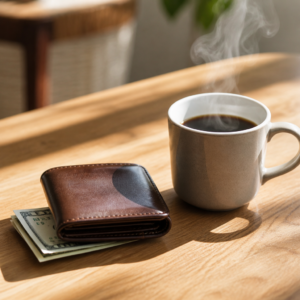
The cash envelope method is a classic for good reason. Put your grocery money in one envelope, your gas money in another, and spend only what is inside. It is simple, visual, and wonderfully satisfying when an envelope still has cash at month’s end.
How to Use Cash Envelopes, Step by Step
Class is in session! The envelope method has been helping households for generations. When you can see and hold your spending money, it becomes very easy to stay right on plan.
- Choose your categories. Pick the flexible spending areas that change month to month, such as Groceries, Gas, Eating Out, Household, Gifts, and Personal.
- Set an amount for each. Base it on what you actually spent over the last month or two.
- Withdraw the cash. On payday or at the start of the month, take out the total and divide it among the envelopes.
- Spend from the right envelope. Bring the grocery envelope to the store and pay from it.
- Write it on the front. Jot each purchase and the remaining balance right on the envelope.
- Celebrate leftovers. Extra cash at month’s end can roll into next month or go straight into savings.
Keep bills on autopay, envelopes for the rest
Most people keep rent, utilities, and insurance on regular bank payments and use envelopes only for everyday flexible spending. This keeps things simple and gives the envelopes their real job: helping you enjoy groceries, outings, and treats within a comfortable limit.
Stay safe with cash
Carry only the envelope you need for that trip, and keep the rest in a secure spot at home. Some savers split a large category, such as groceries, into weekly envelopes so they carry smaller amounts.
A hybrid version
If you prefer cards, you can still use envelopes as a tracking tool. Write your monthly limit on the envelope and subtract each card purchase on the front. You get the same clear picture without carrying bills.
Try It Free First
Plain mailing envelopes from your desk drawer work beautifully. Label each one with a marker and draw a few lines on the back for notes. Even reused envelopes from the mail will do. Try the method for one month before buying anything special.
Where Budget Envelope Refills Fit In
Paper budget envelope refills are made for this exact purpose. Many are pre-printed with a category line and a little tracking table so you can log each purchase and running balance. They are sized to hold bills flat and usually come in packs, so you always have fresh ones ready for the new month.
They can suit people already using the envelope method who go through envelopes quickly, anyone who likes a tidy, uniform system, and folks who enjoy the neat tracking grid. Some packs come in assorted colors, which makes grabbing the right envelope quick and easy.
What to Look For When Comparing
- Size: make sure bills fit without folding.
- Paper weight: thicker paper holds up to daily handling.
- Tracking layout: a printed log on the front saves time.
- Closure: a tuck flap, snap, or adhesive strip that reopens easily.
- Pack count: enough for several months of use.
- Reviews and returns: compare a few options and check return terms.
Professor Cheap’s Wrap-Up
The cash envelope method is proof that the simplest tools can be the most powerful. A few paper envelopes and a little planning give every dollar a clear purpose. Try it for a month, and enjoy that happy moment when an envelope still has money left inside. Class dismissed!
As an Amazon Associate, Cheap101 earns from qualifying purchases, at no extra cost to you. Browse more handy finds in the Student Store.