
Keeping your name, numbers, and account details safely in your own hands is one of the smartest money habits around. A few easy routines, plus a handy little shredder, can leave your recycling bin tidy and your private information truly private.
What Is Worth Shredding
Hello, class! Today we are learning the fine art of tidy privacy. A good rule of thumb: if a paper shows an account number, a birth date, a signature, or a Social Security number, it deserves a trip through the shredder rather than the recycling bin. Common examples include:
- Old bank and credit card statements you no longer need
- Pre-approved credit card and loan offers
- Medical and insurance statements
- Pay stubs and old tax worksheets past the keep date
- Receipts showing card details, and expired cards
- Shipping labels and prescription labels with your name and address
Keep First, Then Shred
Before you shred, make sure you are done with a paper. Tax returns and their supporting records are often kept for several years, and documents like deeds, titles, and wills are usually kept for good. The IRS website has helpful guidance on how long to keep tax records, and your accountant or bank can answer questions about anything else. When in doubt, file it now and shred it later.
Easy Privacy Habits for Every Day
Set up a “to shred” basket. Keep a small box near where you open mail. Anything private goes in, and you shred it all at once each week or month.
Go paperless where it suits you. Many banks and utilities offer online statements, which means less paper coming in to begin with.
Opt out of prescreened offers. In the United States, OptOutPrescreen.com is the official site for opting out of prescreened credit and insurance offers. Fewer offers in the mailbox means fewer papers to deal with.
Check your credit reports. AnnualCreditReport.com is the official free source for your reports from the three major credit bureaus. A quick look now and then keeps you in the know.
Try It Free First
Many communities, credit unions, and senior centers host free shred days, where a truck shreds papers on site. Check your city website, local bank, or community newsletter for dates. For a handful of pages at home, you can tear the private parts into small pieces and mix them into separate bags, or use a permanent marker to black out numbers. Peeling off address labels before recycling packaging is another easy freebie.
Where a Small Paper Shredder Fits In
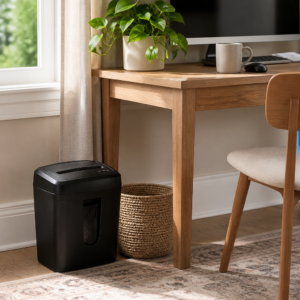
A compact home shredder lets you take care of private papers the moment they arrive, with no waiting for an event. Small models fit beside a desk or under a counter, and many can also handle staples or old credit cards. It is a nice fit for anyone who receives regular statements, runs a small home business, or simply enjoys the satisfying whirr of a clean desk.
What to Look for When Comparing
- Cut type: cross-cut and micro-cut make smaller pieces than strip-cut.
- Sheet capacity: how many sheets it can take at once.
- Run time: small shredders often need a cool-down break, so check the listed minutes.
- Bin size: a larger basket means fewer trips to empty it.
- Safety features: look for an auto shutoff or safety lock, especially around children and pets.
- Reviews and return terms: compare several listings and their warranties.
Professor Ima’s Wrap-Up
Your personal information is a treasure, so treat it like one. Keep what you need, shred what you do not, and enjoy a mailbox and desk that stay calm and clutter free. A little routine goes a long way, and that, dear students, is privacy made simple.
As an Amazon Associate, Cheap101 earns from qualifying purchases, at no extra cost to you. Browse more handy finds in the Student Store.